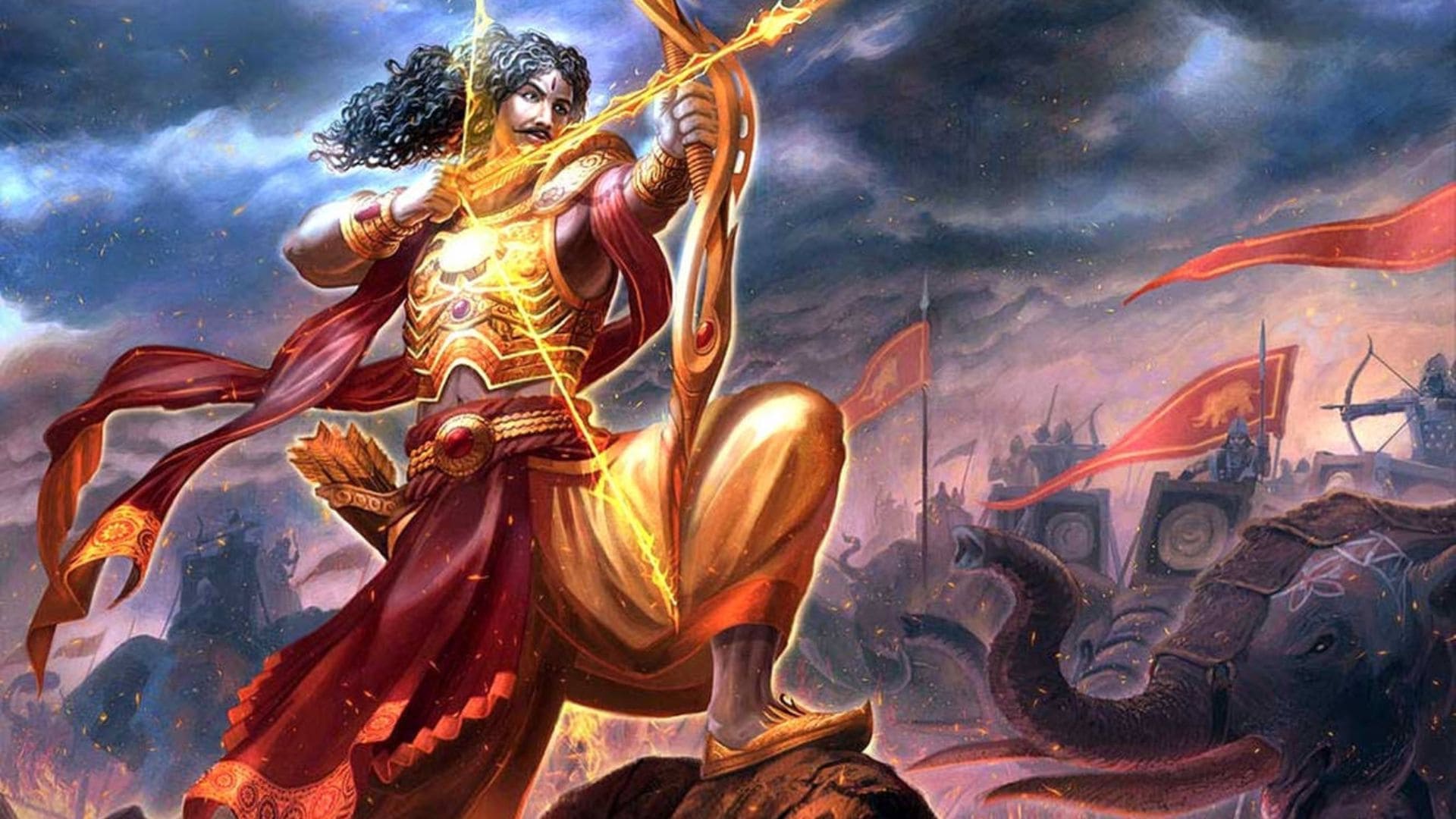
Arjuna vs Karna: A Tale of Contrasting Paths in the Mahabharata
Karna was abandoned by Kunti at birth and raised by a charioteer. Arjuna was born to Kunti and Indra in a Niyoga system. This set the stage for their later personality developments.
Arjuna rarely boasted about his valour, might and capabilities. Karna was much more boastful. Arjuna was Drona’s most favourite disciple. Karna was not. Arjuna succeeded in giving back to Drona his guru dakshina by defeating King Drupada while Karna tried and failed.
Arjuna won Draupadi’s hand in her swayamvara. Karna either failed or not tried, depending on the version of the MBh you follow.
Karna always suffered status anxiety and did all he could to please Duryodhana. Arjuna never had to go beyond himself to please Yudhishthira.
Arjuna was a blessed archer. He gained Pasupata and other divine astras. Karna did not gain any major astras barring Indra given Shakti (in exchange for his Kavacha and Kundala) and another Nagastra which came to him during the burning by Arjuna and Krishna of the Khandava forest.
Karna suffered curses. Arjuna turned a Urvasi given curse into a boon during Ajnatavaasa in Virata Kingdom.
Karna spoke unprintable things of Drauapdi in the Kuru court and instigated Dushshasana to disrobe Draupadi. Arjuna was nobler, he turned down advances made by Urvasi in Indra’s court.
Karna stood tall when he rejected the offer of Krishna and Kunti to switch sides before battle began. Arjuna too never wanted to rule.
Karna knew Pandavas were his brothers and he was fighting them. Arjuna didn’t know until long after the battle that Karna was his brother.
Arjuna killed Karna in the battle, finally. Karna probably foresaw his death and accepted his fate with equanimity.
Similar Stories
Dive into the epic conclusion of the Mahabharata, detailing the aftermath of the Kurukshetra War, the Ashwamedha Yajna, the tragic destruction of the Yadava clan, and the Pandavas’ final journey. Explore themes of dharma, destiny, and the inevitable passage of time that shape the fates of the great warriors and dynasties of ancient Bharat.
Explore the intense emotional and moral reckoning following the Mahabharata war. Dhritarashtra's grief and rage, Gandhari's wrath and curses, Bhima's defiant defense of his actions, and Krishna's acceptance of destiny—all come together in this poignant narrative of loss, accountability, and the inexorable cycle of karma.
Lord Hanuman, the embodiment of strength and devotion, refrained from fighting Bali in the Ramayana, following dharma and his divine role. This video explores the profound reasons behind Hanuman's decision, including respect for Bali's authority, his loyalty to Sugriva, and his understanding of the divine plan set by Lord Rama. Discover the deeper lessons in humility, self-restraint, and using power wisely that Hanuman’s actions teach us
Astrology, Mantras, Events, Stories & More.