

Bhishma: The Noble Warrior and Embodiment of Dharma
Discover the remarkable life of Bhishma, born as Devavrata, one of the greatest warriors and epitomes of dharma in Indian mythology. From his divine upbringing by Ganga to his unparalleled sacrifices for Hastinapura, learn about his vows, battles, and teachings that shaped the Mahabharata.
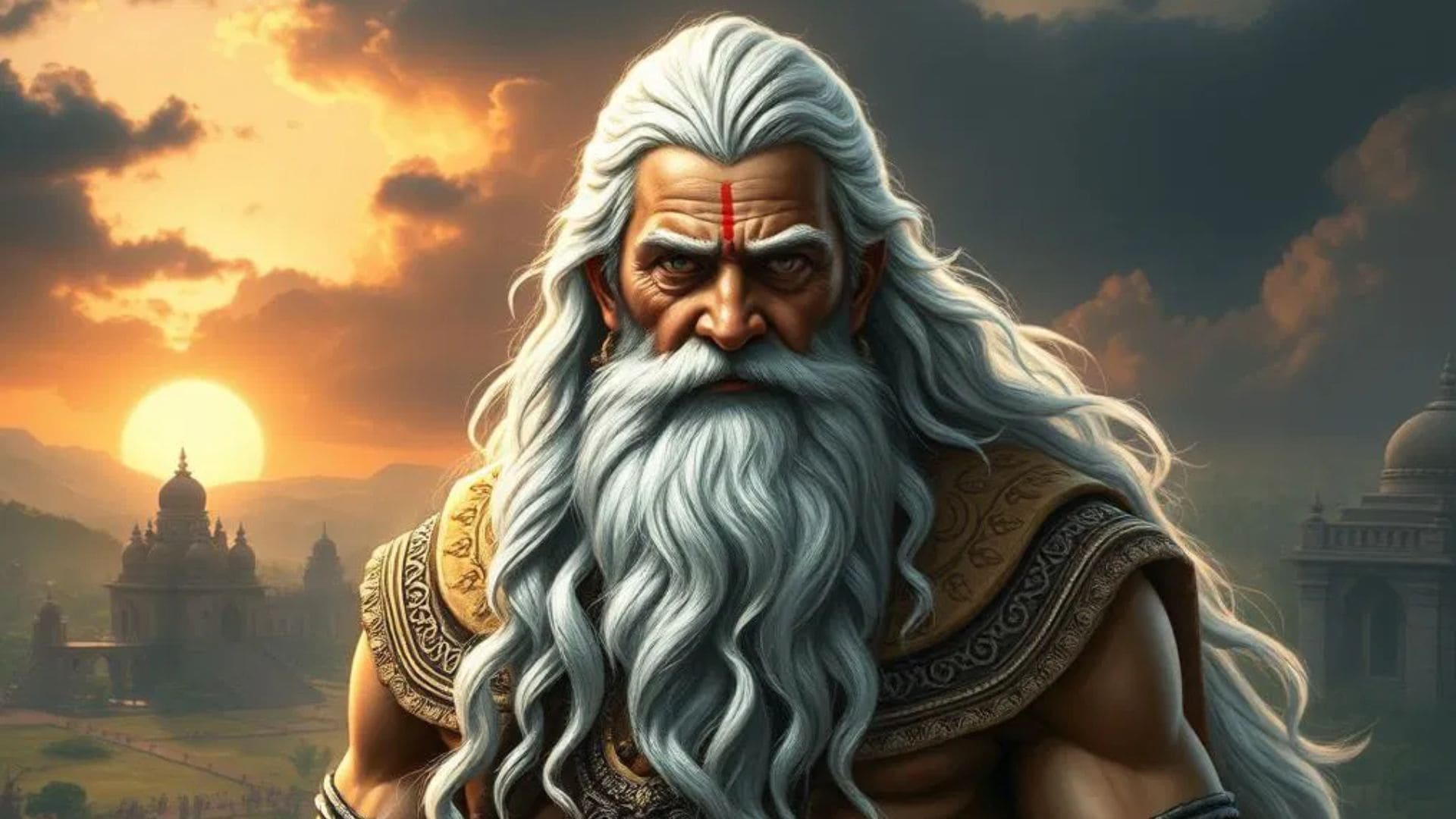
Bhishma, born as Devavrata was one of the greatest warriors of all times and a great human being, he always held to dharma.
Bhishma was raised from young age by Ganga herself.
Parashurama, who was considered as one of the incarnations of lord Vishnu and to whom lord Shiva himself taught warfare was the mentor of Bhishma, he taught Bhishma warfare, political science and the way of life.
He sacrificed his entire life for his father and for the throne of Hastinapura, he vowed not to marry so that his father could marry Satyavati and their children(his step brothers) could be heir to Hastinapura. He also vowed that Hastinapura would be under his protection at all times owing to these sacrifices he was known as Bhishma and he also had a boon to invoke death at will.
He saw his father succumb to old age and die.
He had two step brothers Chitrangadha and Vichitraveerya, Chitrangadha once fought with a Gandharva and and was brutally killed, Vichitraveerya was the lone survivor of the clan and was a good for nothing guy.
Bhishma went on behalf of Vichitraveerya to a swayamvara and brought three girls to get Vichitraveerya married, there was not a single guy who could challenge or stop him from doing so.
One of the three girls, Amba could not marry Vichitraveerya or go back to her lover and Bhishma could not marry her so she went to Parashurama to help convince Bhishma to marry her which was followed by a face off between Bhishma and Parashurama.
Parashurama and Bhishma fought for 21 days, then Bhishma did penance to obtain a weapon crafted by Vishwakarma which enables the foe to sleep for a day(Someone who sleeps during a war is considered to be dead). But he did not use the weapon against Parashurama as killing guru(or its equivalent) is against dharma. In one instance of the fight, Parashurama who raided over the earth for 21 times killing every kshatriya almost fell to the ground owing to Bhishma’s fury thereby accepted defeat.
After all the effort Bhishma put to get Vichitraveerya married, one fine day Vichitraveerya died, Bhishma again had to go to Vyasa to ask him to perform Niyoga.
He was the one who taught basic archery to Pandavas and Kauravas and appointed Dronacharya as their teacher.
He had to go through the pain of seeing his grandchildren fight over the kingdom which he had built by sacrificing a lot for all these years.
Bhishma was the only reason Suryodhana waged a war against Pandavas so confidently, he warned Suryodhana beforehand that Kauravas would surely lose the war.
Only once in his lifetime that Bhishma stepped partially out of dharma during the game of dice.
He was one of the greatest warriors, during the war, on an average he killed 10,000 people per day. He was the only one who made Lord Krishna loose his patience on the 9th day of the war, thus Krishna caught a chariot wheel and almost killed Bhishma.
His grandchildren(Kauravas) used to instigate him daily to kill his other grandchildren(Pandavas).
His grandchildren(Pandavas) requested him to die or tell them how they could kill him because they could not fight him, thus Bhishma asked them to bring over Sikhandin.
He took multiple arrows to every organ of his body, the irony being it was his own fatherless grand children whom he raised that shot the arrows.
Though he lay on the bed of arrows, he taught dharma to Yuddhistir and whoever came by.
He lied on the bed of arrows for about 6 months before dying and then finally invoked death.
Thus Bhishma was one of the noblest, disciplined human being who always held on to his dharma. But his entire life was full of sacrifice and sorrow. He had to see his father, brothers, sons die and also saw his grandchildren fight each other.
In the sacred tradition of Sanatana Dharma, stories are not merely historical lore — they are living mirrors of consciousness. Contemplate how the virtues portrayed in this narrative can guide your decisions today.
Experience the Tapas Mobile App
Listen to audio recitations, explore Vedic podcasts, and get personalized daily horoscope & pooja remedies.
Similar Sacred Stories
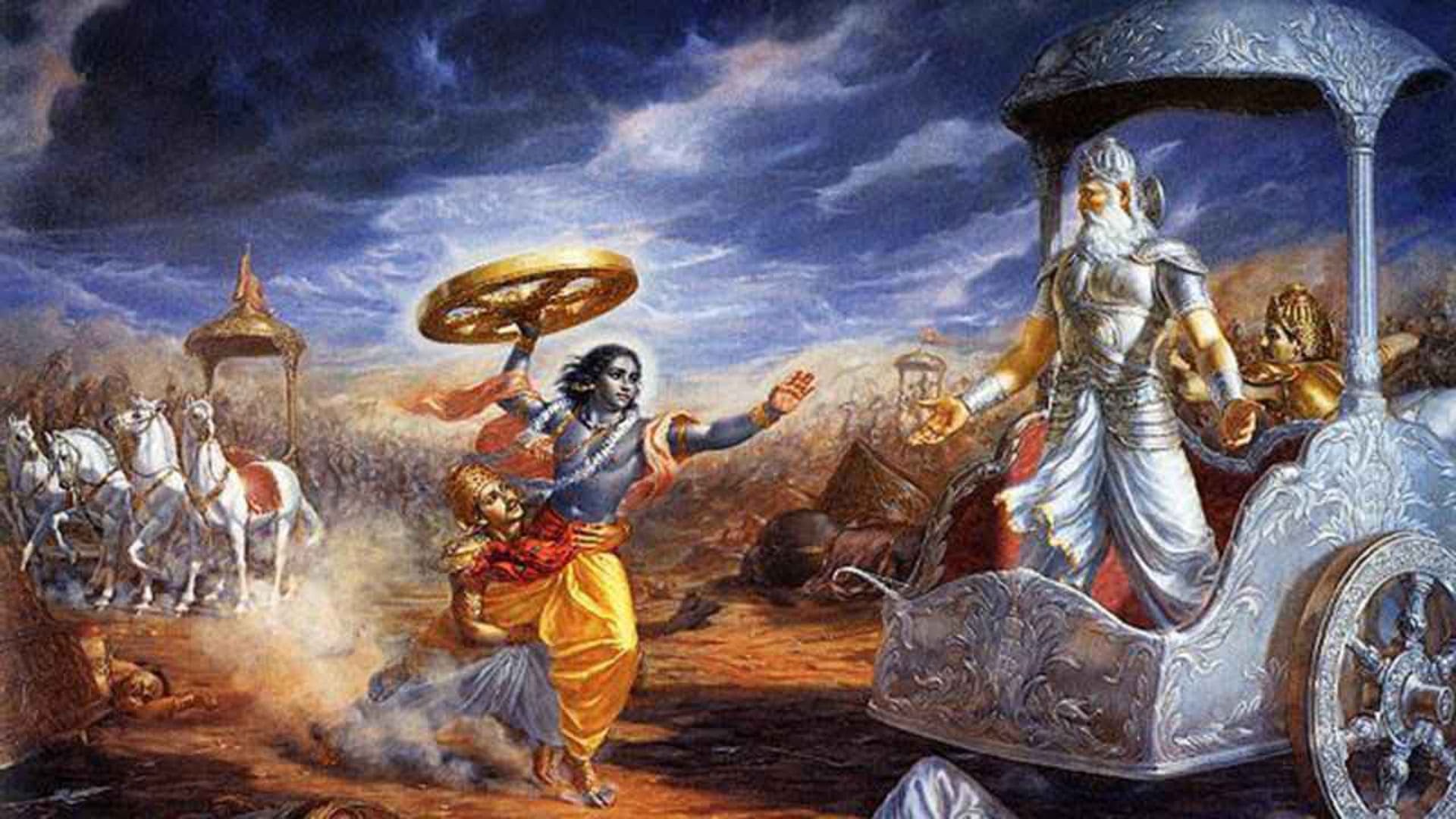
Exploring Dharma and Sacrifice in the Mahabharata: The Complexities of Arjuna, Bheeshma, Karna, and Yudhishthir
The Mahabharata is a treasure trove of moral dilemmas and life lessons. This article delves into the actions of Bheeshma, Karna, Yudhishthira, and Arjuna, analyzing their choices through the lens of dharma and sacrifice. It questions whether steadfast adherence to vows, loyalty, or truth truly serve righteousness, and highlights Arjuna's unique ability to sacrifice pride and emotional attachments for the greater good. A thought-provoking reflection on the gray areas of human morality and leadership in the epic.
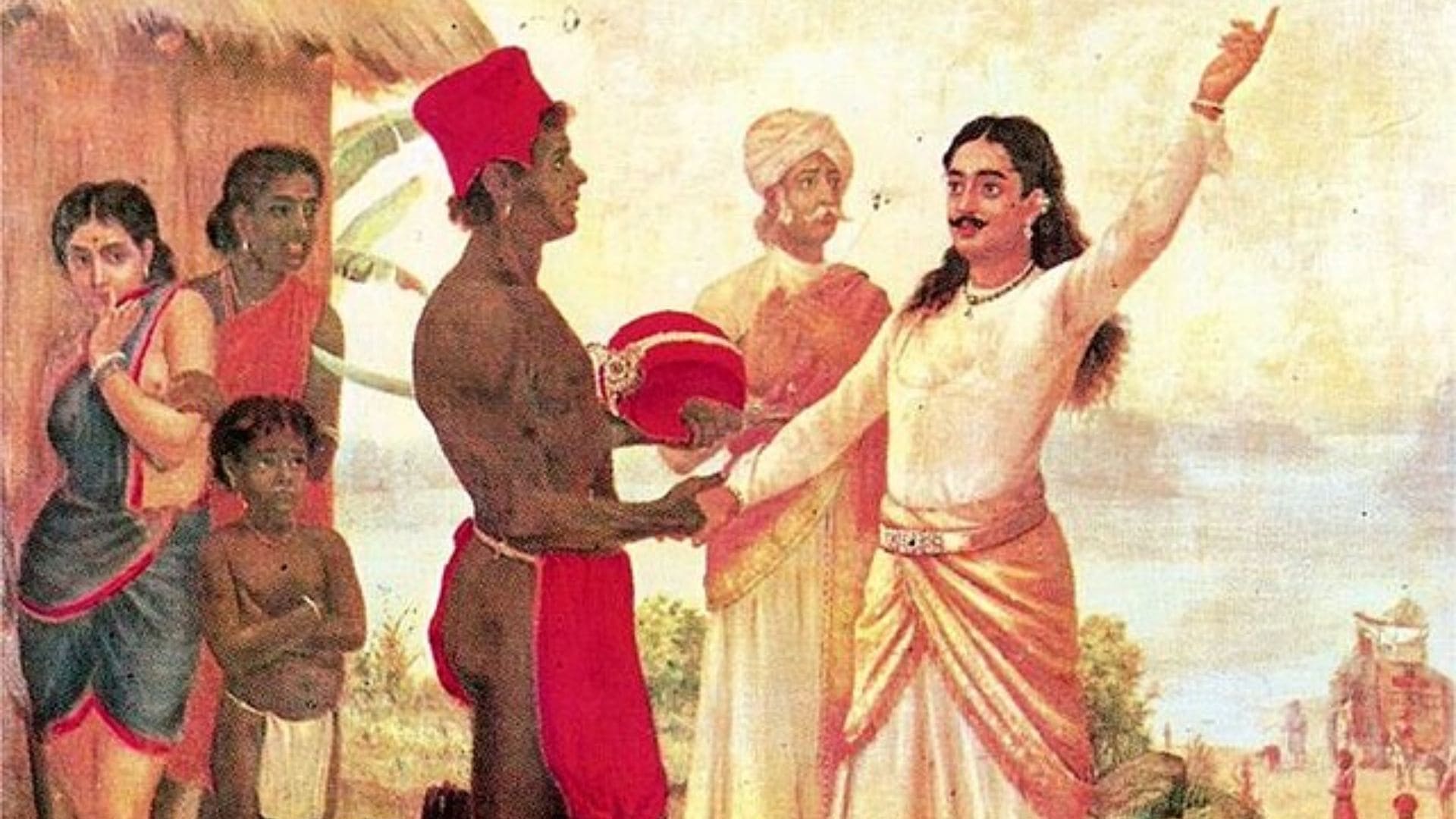
The Transformative Journey of Satyavati: From Matsyagandha to Yojanagandha
Explore the captivating story of Satyavati, the beautiful daughter of a fisherman, whose life took a dramatic turn after an encounter with Sage Parashar. Known initially as Matsyagandha, due to her fishy scent, she was gifted a celestial fragrance that changed her identity to Yojanagandha. Her beauty and fragrance caught the attention of King Shantanu, sparking a series of events that altered the course of history, leading to Bhishma’s vow of celibacy and the shaping of the Kuru dynasty.
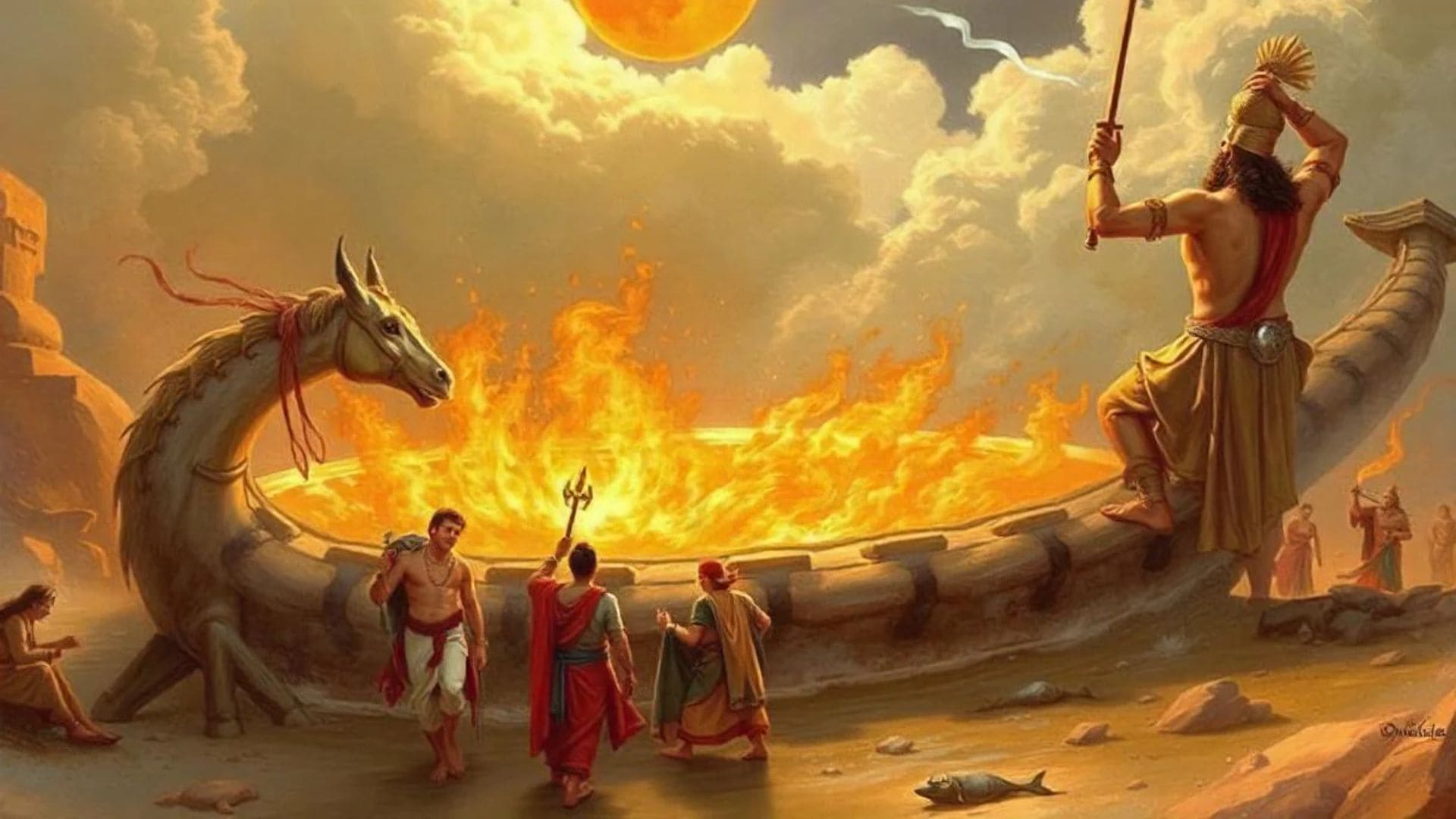
5 Lesser-Known Stories from the Mahabharata That You Must Know
Discover five fascinating and rarely heard stories from the Mahabharata that reveal intriguing events and profound lessons. From Dronacharya's unique birth as India’s first "test tube baby" to Krishna’s compassionate role as Mohini, these untold tales shed light on the depth of this ancient epic. Learn about Sahadev’s mystical knowledge, Karna and Duryodhana’s remarkable friendship, and Ghatotkacha’s cleverness in love. Dive into these captivating stories and explore the timeless wisdom of the Mahabharata.