

Sacred Rituals of Kumbh Mela: The Spiritual Significance of Snan and Shahi Snan
Discover the profound spiritual significance of the sacred snan (bathing) ritual at Kumbh Mela, where devotees gather at the Triveni Sangam—the confluence of the Ganga, Yamuna, and Saraswati—to wash away sins and seek liberation. Learn about the grand Shahi Snan processions led by Naga Sadhus and the revered Kinnar Akhara that highlight the spiritual grandeur of this festival, offering insights into one of the world’s largest religious gatherings.

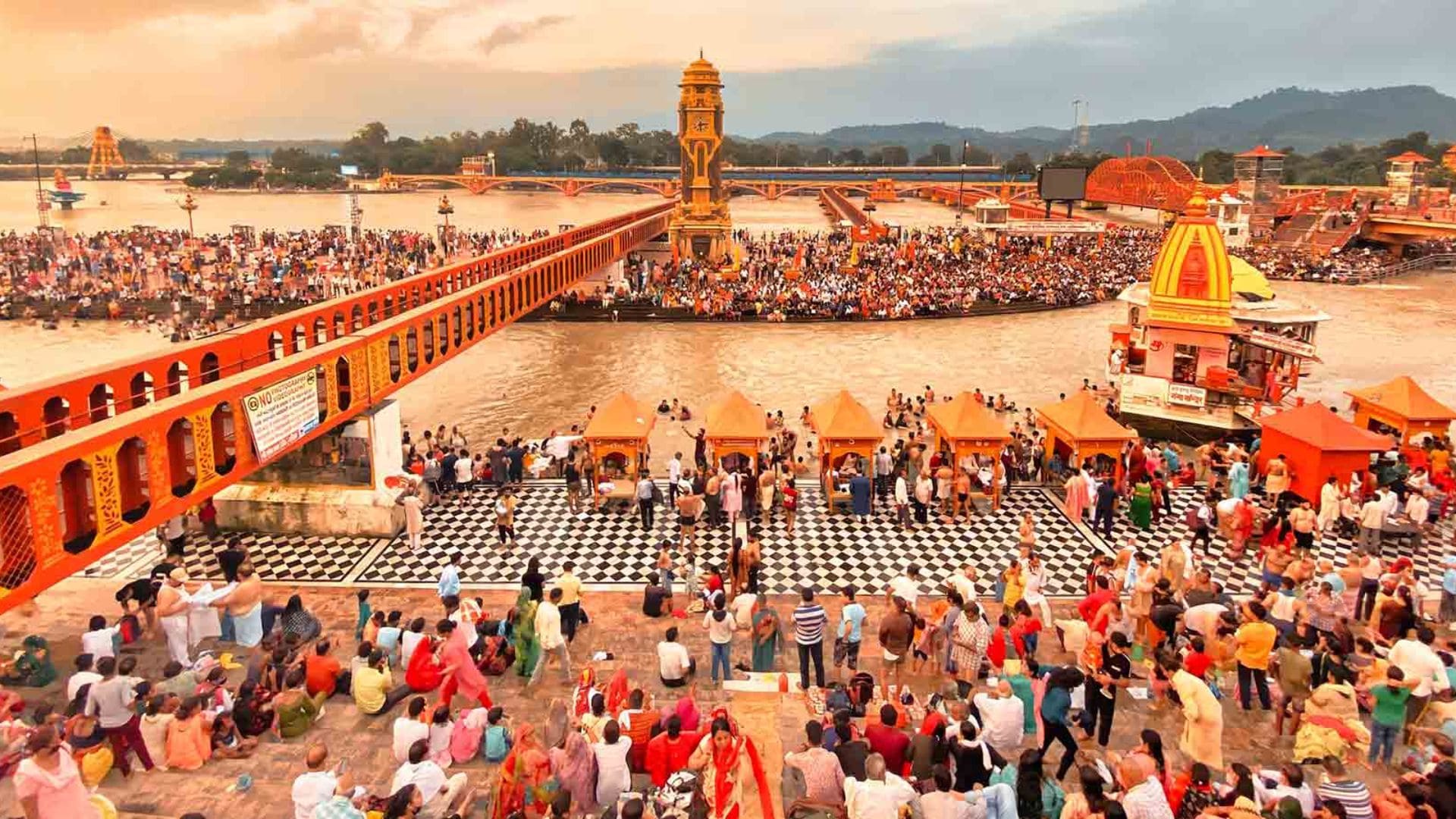
At the heart of the Kumbh Mela lies the sacred ritual of snan (bathing) in the holy rivers. Devotees from across the world gather at the Triveni Sangam—the confluence of the Ganga, Yamuna, and the mythical Saraswati—to immerse themselves in the purifying waters. This act of bathing is not just a physical cleanse but is believed to offer profound spiritual benefits. According to Hindu belief, taking a dip during the auspicious days of the Kumbh Mela can wash away sins accumulated over lifetimes, helping devotees achieve moksha or liberation from the cycle of rebirth.
Kinnar Akhara
The ritual of bathing during Kumbh is especially significant on certain days, known as Shahi Snan (Royal Bathing Days). These days are marked by grand processions led by the Naga Sadhus and other ascetic orders (Akharas), who march to the river with pomp and fervour before they perform the first ceremonial bath. This royal bath is considered the most potent in terms of spiritual cleansing, with the belief that anyone who bathes during this time will be freed from all past sins.
In the sacred tradition of Sanatana Dharma, stories are not merely historical lore — they are living mirrors of consciousness. Contemplate how the virtues portrayed in this narrative can guide your decisions today.
Experience the Tapas Mobile App
Listen to audio recitations, explore Vedic podcasts, and get personalized daily horoscope & pooja remedies.
Similar Sacred Stories
The Mythological Origins of Kumbh Mela: The Story of Samudra Manthan
Discover the fascinating origins of the Kumbh Mela, rooted in the ancient legend of the Samudra Manthan. This epic tale of the churning of the ocean by gods and demons reveals how the nectar of immortality (Amrit) was obtained and how drops of it sanctified the four sacred cities of Prayagraj, Haridwar, Ujjain, and Nashik. Learn why millions of pilgrims gather to bathe in these holy waters during the Kumbh Mela for spiritual blessings and enlightenment.
Maha Kumbh Mela 2025: The Sacred Pilgrimage at Prayagraj
Discover the spiritual essence of the Maha Kumbh Mela 2025, the world’s largest public gathering of faith and devotion. Learn about the significance of this sacred festival held at Prayagraj, where millions of pilgrims, saints, and seekers converge at the confluence of the Ganges, Yamuna, and Sarasvati. Explore the rituals, astrological significance, and cultural richness of this once-in-12-years event.
The Sacred Ritual of Shahi Snan at Maha Kumbh Mela
Discover the spiritual significance of the Shahi Snan, the central ritual of the Maha Kumbh Mela, where millions of pilgrims immerse in the holy rivers at auspicious times. Learn how this sacred bath at the confluence of the Ganga, Yamuna, and the mythical Saraswati in Prayagraj is believed to cleanse sins, break the cycle of rebirth, and lead to Moksha — ultimate spiritual liberation.