

The Divine Intervention of Lord Krishna: Draupadi’s Endless Saree in the Mahabharata
Discover the profound spiritual significance of Lord Krishna’s miraculous intervention during Draupadi’s disrobing in the Mahabharata. Explore the themes of faith, divine vision (Divya Drishti), and Krishna’s role in upholding dharma. Learn how Krishna’s unseen presence protected Draupadi’s dignity and exposed the wickedness of the Kauravas, offering timeless lessons on surrender, righteousness, and divine grace.
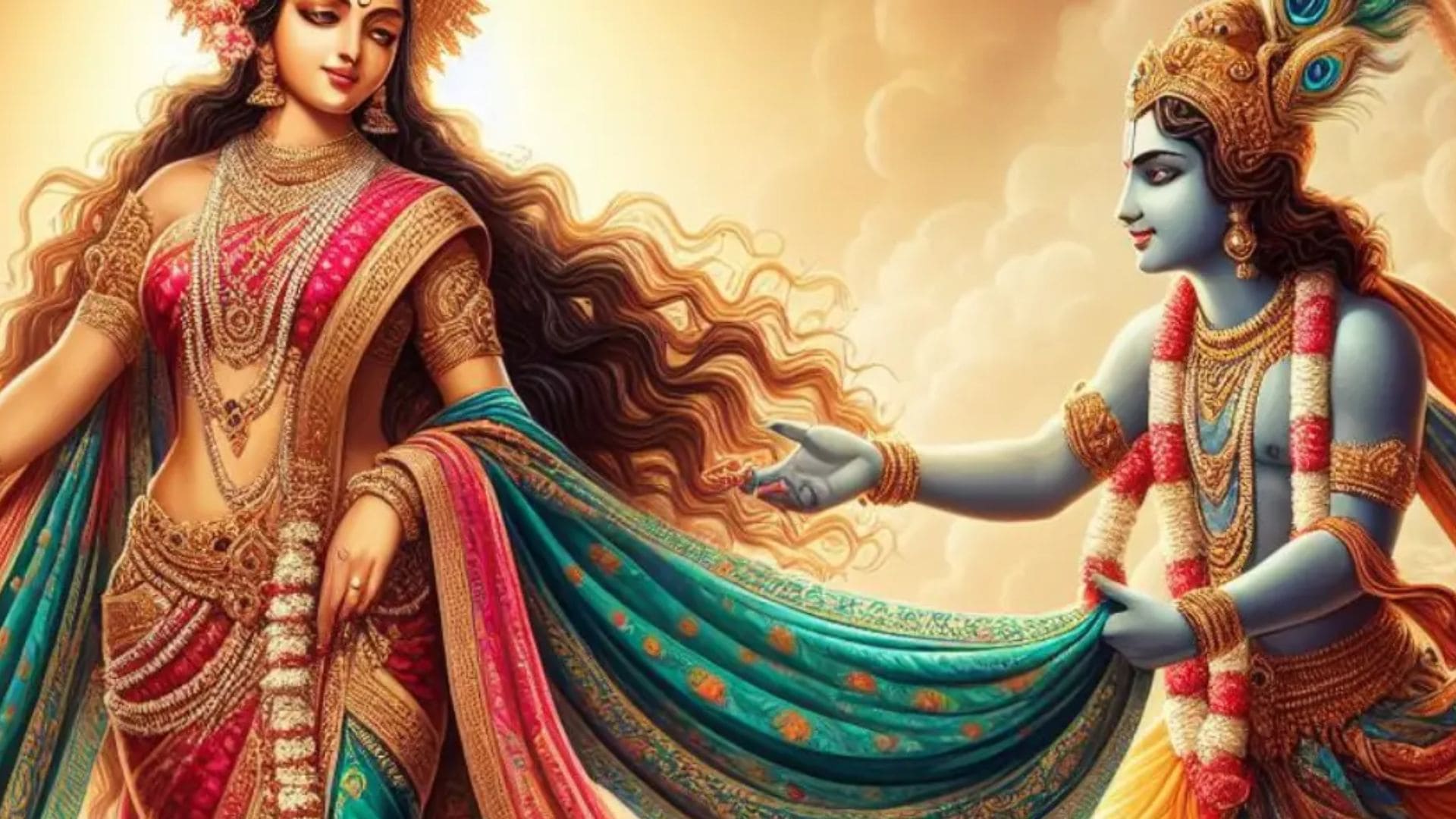
when Draupadi was being disrobed by Dushasana in the royal court, Lord Krishna provided her with an endless saree to protect her dignity. However, Krishna's intervention was not visible to everyone present in the court.
Only a few select individuals, including Draupadi, the Pandavas, and some righteous minds, could see Krishna's divine intervention. The reason for this selective visibility lies in the nature of Krishna's divine power and the spiritual receptivity of the individuals involved.
Krishna's power is described as "Divya Drishti" or divine vision, which is only accessible to those with a pure heart, faith, and spiritual insight. Those who possess these qualities can perceive Krishna's divine interventions, while others may remain unaware.
In this specific instance, Krishna's intervention was a testament to his unwavering commitment to protecting the righteous and upholding dharma. By providing the endless saree, Krishna not only saved Draupadi's dignity but also exposed the wickedness of the Kauravas.
The selective visibility of Krishna's intervention serves as a reminder that spiritual truths and divine interventions are only accessible to those who possess the requisite spiritual receptivity and purity of heart.
In the sacred tradition of Sanatana Dharma, stories are not merely historical lore — they are living mirrors of consciousness. Contemplate how the virtues portrayed in this narrative can guide your decisions today.
Experience the Tapas Mobile App
Listen to audio recitations, explore Vedic podcasts, and get personalized daily horoscope & pooja remedies.
Similar Sacred Stories
Why did Krishna give his army to Duryodhan instead of refusing him to help?
Sri Krishna always portrayed himself as a neutral entity without taking side of either Pandavas or Kauravas although he knew that Pandavas were on the side of Dharma & Kauravas were the erring party. Just before the start of Mahabharata, all Indian kings were given an option to choose between Pandavas or Kauravas. Sri Krishna was the Yadava Chieftain with a huge Yadava army at his disposal & naturally both Pandavas & Kauravas wanted him to be on their side along with his army.
The Enchanting Tale of Mohini, Surya Dev, and the Divine Birth of Shrimati Radha
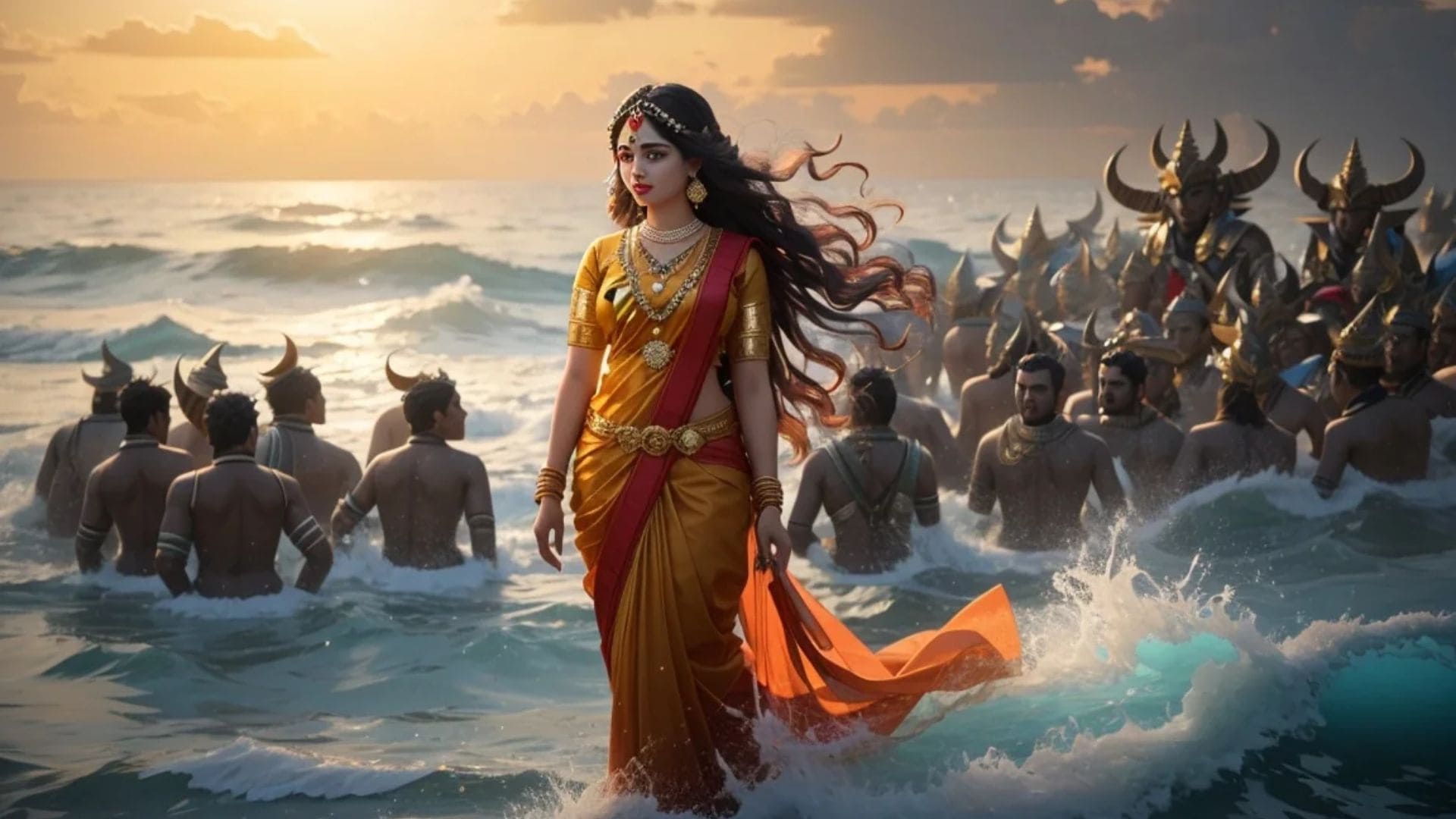
Discover the captivating story of how Lord Vishnu’s Mohini avatar enchanted 33 koti devas, but Surya Dev’s unique desire for a daughter like Mohini led to a divine boon. Learn how this blessing manifested in Dwapara Yuga with the birth of Shrimati Radha to Vrishabhanu Maharaj, who was Surya Dev’s incarnation. Explore how Radha’s unparalleled beauty and devotion captivated even Krishna, surpassing the enchantment of Mohini herself. This tale beautifully intertwines love, devotion, and the cosmic play of divine incarnations in Hindu mythology.
Why did Dronacharya believe that his son Ashwathama is dead
Dronacharya only heard the part "Ashwatthama is dead," which caused him confusion, as he trusted Yudhishthira’s truthfulness. Doubtful and heartbroken, Dronacharya abandoned his weapons and stopped fighting. In this vulnerable moment, Drupada's son, Dhrishtadyumna, killed him to avenge his father.