

The Mahabharata: 60 Lakh Shlokas Across Cosmic Realms
discover the mystical story of the Mahabharata’s cosmic dimensions. With 60 lakh shlokas spread across Devaloka, Pitru Loka, Asura Loka, and Earth, learn how this epic was narrated to gods, ancestors, asuras, and humans, revealing its vast spiritual and cultural significance.
Veda Vyasa actually wrote 60 lakh slokas (krandhas) in Mahabaratha. Out of which 30 lakhs stood in Devalokha. Naradha told the story to Devas. 15 lakhs stood in Pithru lokha. Asidha and Devala told the story to them. 14 lakhs stood in Asura yaksha lokha. Sukracharya narrated the story to them. The remaining 1 lakh only came to Earth. Vaisamphayana told the story to humans.
In the sacred tradition of Sanatana Dharma, stories are not merely historical lore — they are living mirrors of consciousness. Contemplate how the virtues portrayed in this narrative can guide your decisions today.
Experience the Tapas Mobile App
Listen to audio recitations, explore Vedic podcasts, and get personalized daily horoscope & pooja remedies.
Similar Sacred Stories
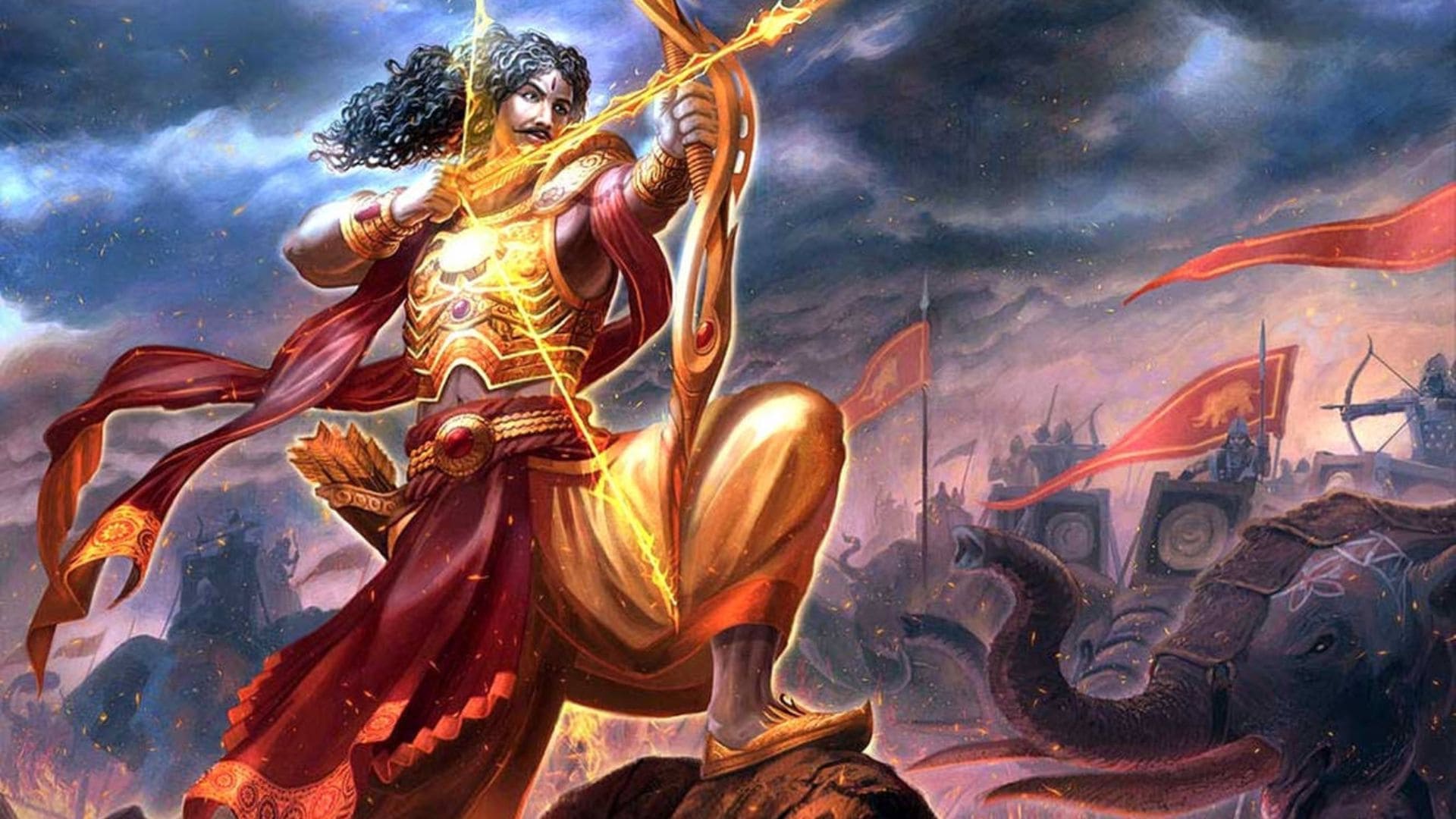
Arjuna's Unmatched Dedication and Mastery in the Mahabharata
Discover the inspiring story of Arjuna’s exceptional focus, hard work, and devotion that made him the foremost warrior among his peers in the Mahabharata. Despite receiving the same training as others, Arjuna’s perseverance, intelligence, and skill in every form of combat earned him the admiration of his teacher, Guru Drona, and made him the only Atiratha warrior. Explore how Arjuna surpassed his fellow princes, including Karna and Aswatthama, to become a legendary archer and fighter.
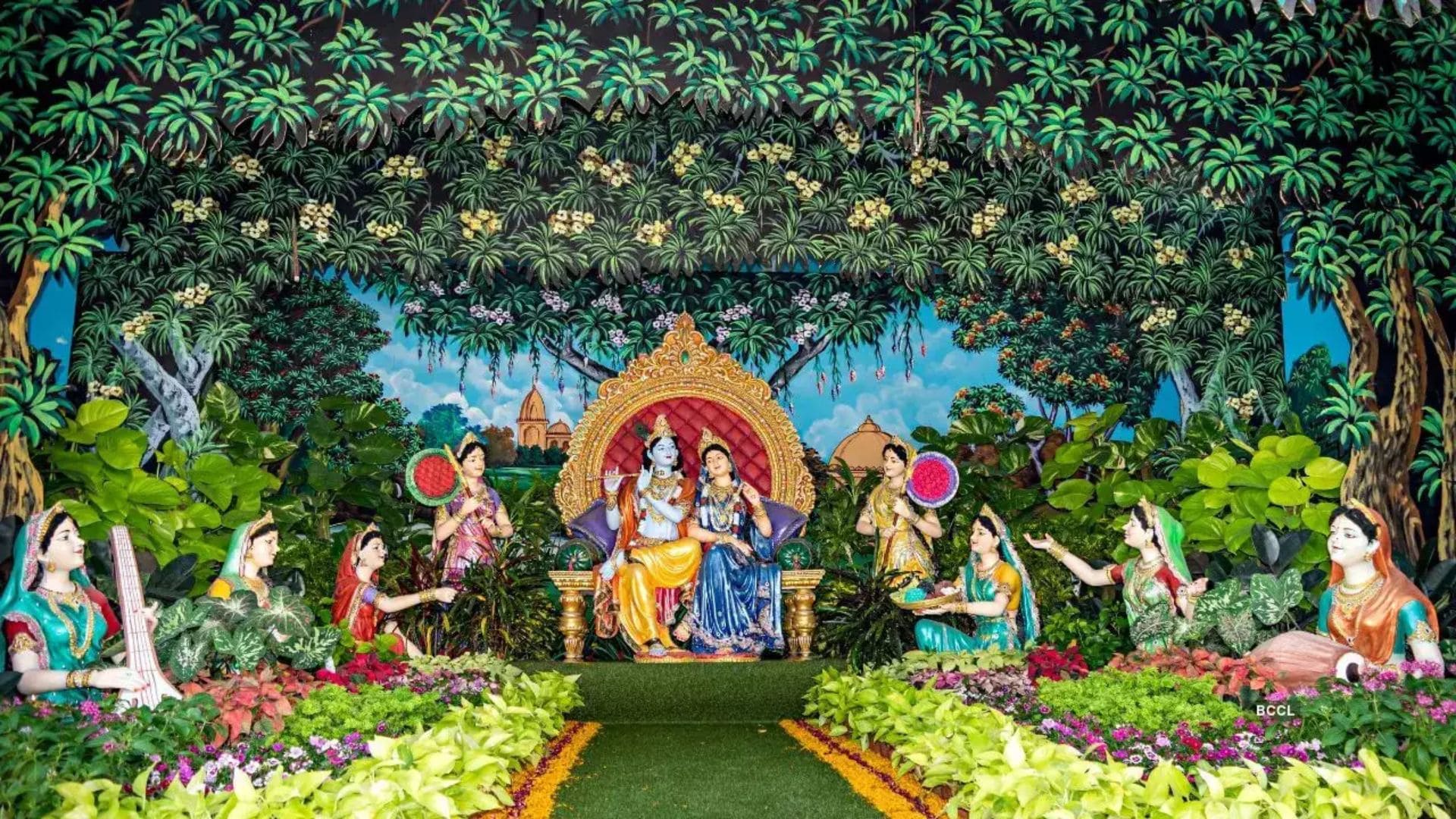
Did Krishna Have Daughters in the Mahabharata? Exploring His Family
In the Mahabharata, Krishna, an avatar of Lord Vishnu, is known for having several sons but no daughters. His principal wives, including Rukmini, Satyabhama, and Jambavati, bore him notable sons such as Pradyumna and Samba. While the focus of the epic is on Krishna's sons, the absence of daughters in the narrative may reflect ancient storytelling traditions. Explore the significance of Krishna's children and their roles in the epic.
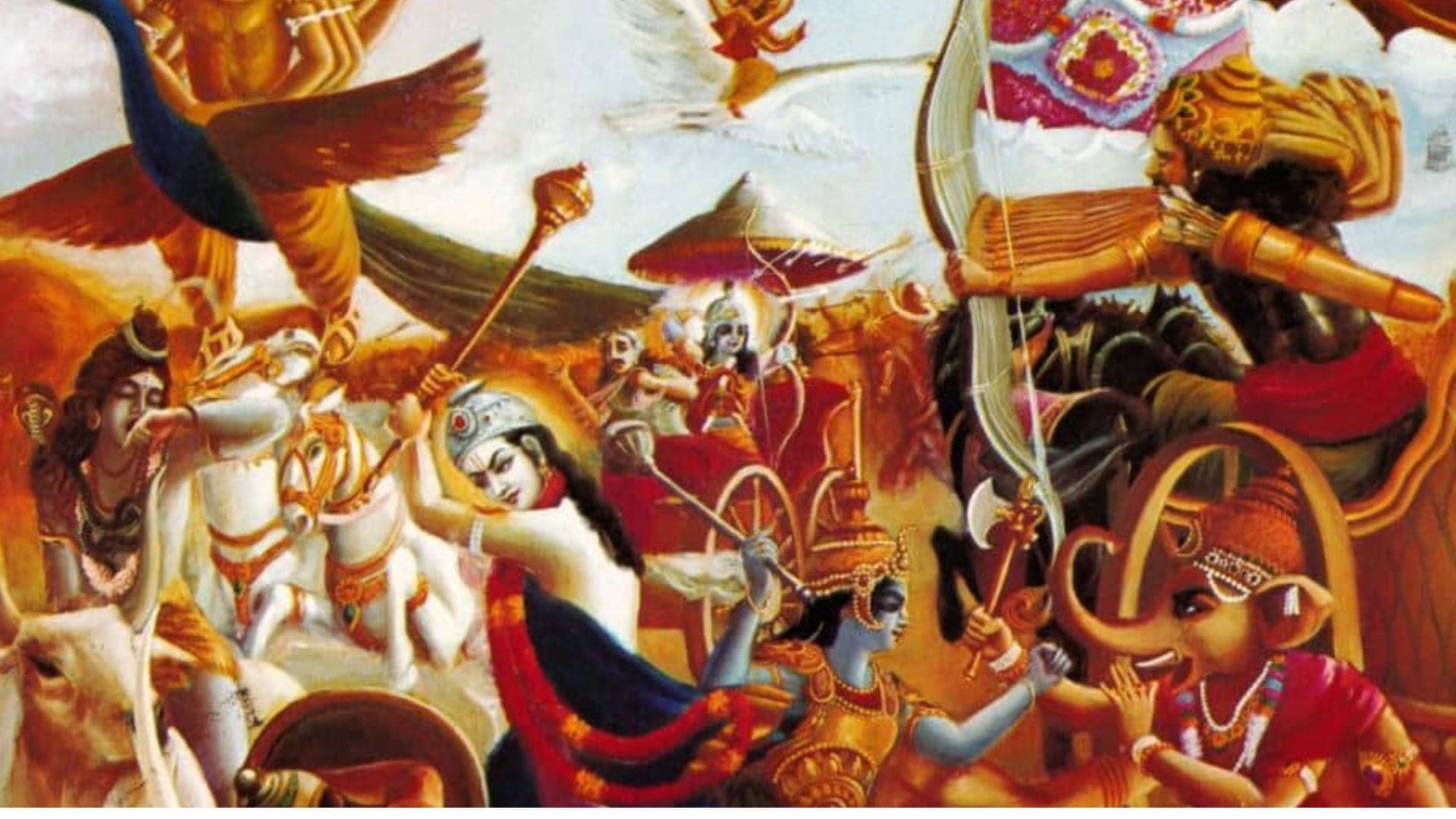
The Tale of Banasura: A Battle of Pride, Power, and Destiny
Dive into the captivating story of Banasura, the mighty son of Daityaraaj Bali, blessed with 1000 arms by Lord Shiva. Arrogant with power, Banasura challenges the divine, leading to an epic confrontation with Krishna and Shiva. Witness the prophecy, a fateful love story between Aniruddha and Usha, and the dramatic battle that tests the balance between pride and humility, culminating in redemption and harmony. This mythological tale intertwines devotion, destiny, and the ultimate triumph of wisdom over arrogance.