

Why did Dronacharya believe that his son Ashwathama is dead
Dronacharya only heard the part "Ashwatthama is dead," which caused him confusion, as he trusted Yudhishthira’s truthfulness. Doubtful and heartbroken, Dronacharya abandoned his weapons and stopped fighting. In this vulnerable moment, Drupada's son, Dhrishtadyumna, killed him to avenge his father.
Dronacharya was Arjuna's teacher and an expert in the art of archery. Defeating him in battle was not easy. To achieve this, Krishna and Arjuna devised a strategy. They named an elephant "Ashwatthama" and arranged for Yudhishthira to announce that Ashwatthama had been killed in battle. In the heat of the battle, they pressed Yudhishthira to declare, `Ashwatthama hatah – naro va kunjarah`
Dronacharya only heard the part "Ashwatthama is dead," which caused him confusion, as he trusted Yudhishthira’s truthfulness. Doubtful and heartbroken, Dronacharya abandoned his weapons and stopped fighting. In this vulnerable moment, Drupada's son, Dhrishtadyumna, killed him to avenge his father.
Drona and Drupada were once fellow students. When Drupada became a king, Drona sought his friendship and assistance. However, Drupada scorned him, saying, "What friendship can exist between a king and a poor man like you?" Insulted, Drona trained Arjuna, making him a master archer. In revenge, he sent Arjuna to defeat Drupada, who was then humiliated and subdued.
Humiliated, Drupada performed a fire-sacrifice to beget a son capable of killing Drona. This sacrifice produced Dhrishtadyumna and Draupadi (also called Yajnaseni or Krishnaa), who would play pivotal roles in the Mahabharata.
In the sacred tradition of Sanatana Dharma, stories are not merely historical lore — they are living mirrors of consciousness. Contemplate how the virtues portrayed in this narrative can guide your decisions today.
Experience the Tapas Mobile App
Listen to audio recitations, explore Vedic podcasts, and get personalized daily horoscope & pooja remedies.
Similar Sacred Stories
Why didn't Krishna marry Radha?
Krishna is Adi-Purusa and Radha is Adi-shakti or internal potency or Antaranga shakti of Krishna so it is not possible for anyone to separate Energy from Energetic
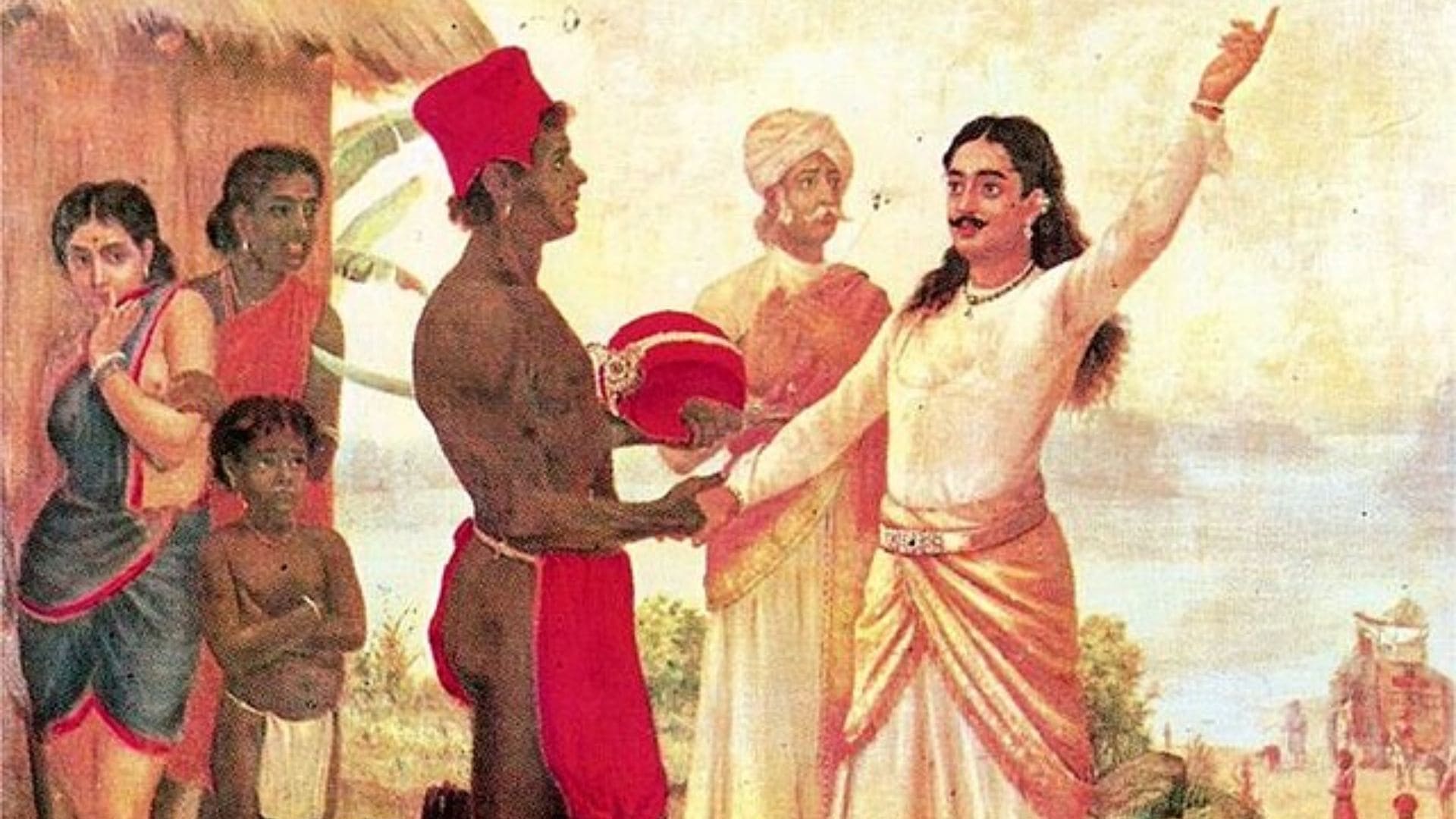
Satyavati: The Catalyst of the Mahabharata's Destiny
Discover the transformative story of Satyavati, the fisherwoman who became a queen and shaped the destiny of the Kuru dynasty. From her celestial fragrance gifted by Sage Parashar to her pivotal role in King Shantanu's life, explore how her decisions and relationships set the stage for the Mahabharata's epic saga and the great war of Kurukshetra.
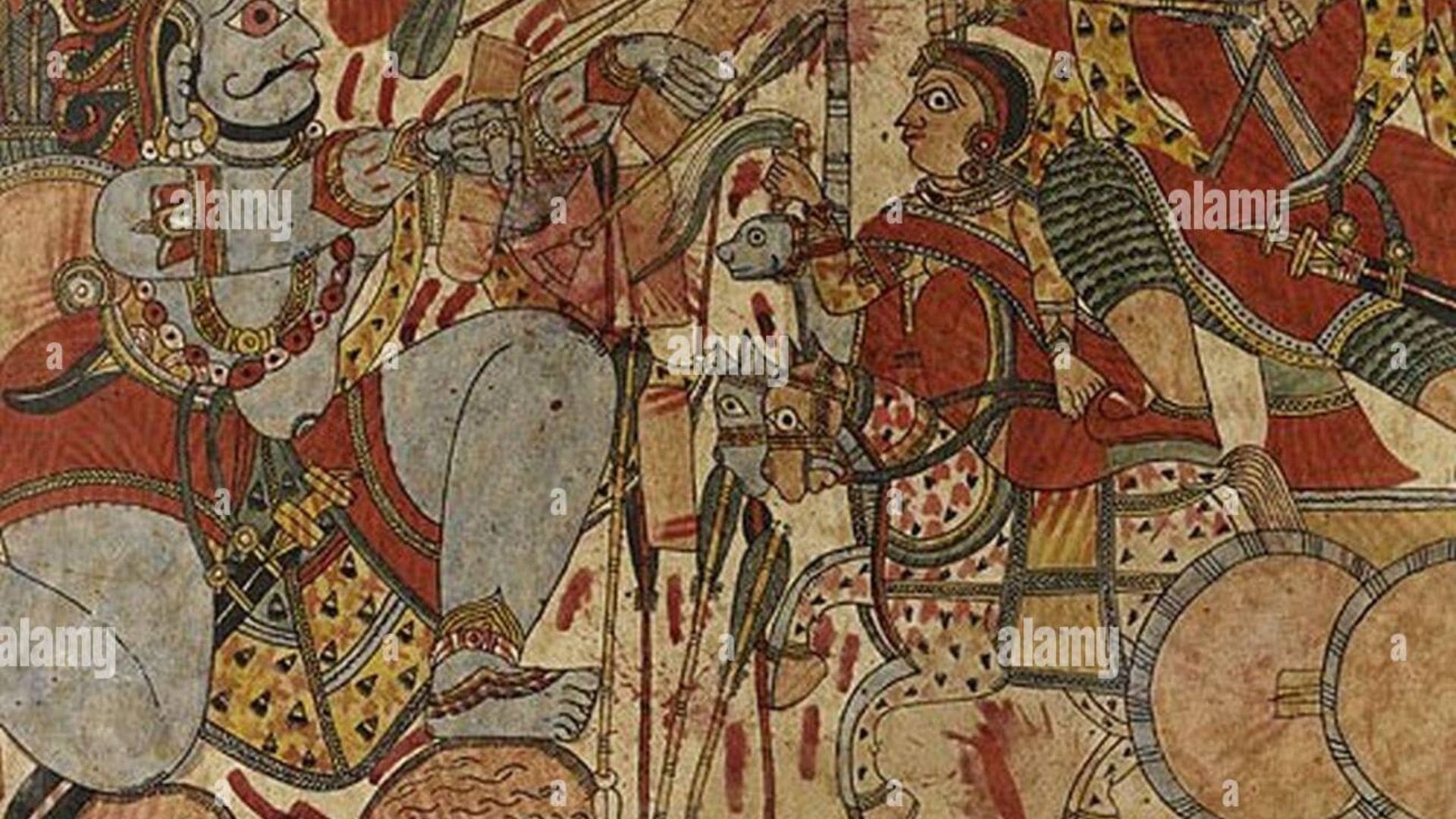
The Legendary Sons of Pandavas: Ghatotkacha and Abhimanyu
Discover the epic stories of Ghatotkacha, the son of Bhima and Hidimbaa, and Abhimanyu, the son of Arjuna and Subhadra. From their heroic feats during the Pandavas' exile to their crucial roles in the Kurukshetra war, these legendary warriors left a lasting impact on the Mahabharata. Ghatotkacha's valor and sacrifice, and Abhimanyu's tragic death in the Chakravyuha, are pivotal moments in the saga. Learn about their births, battles, and legacy in this fascinating journey through history.