

 Chandra Devata & Lord KrishnaSacred Stotram
temple_hinduShiva (Pure Consciousness)Advaita Vedanta • Adi ShankaracharyaSacred Stotram
Nirvana Shatkam (Chidananda Rupa)
Adi Shankaracharya's masterwork of non-dual dis-identification, severing emotional panic, existential dread, and psychological turmoil.
repeatJapa: Daily Recitation
scheduleMuhurtha: Evening Contemplation
adjustMala: Rudraksha Mala (108 beads)
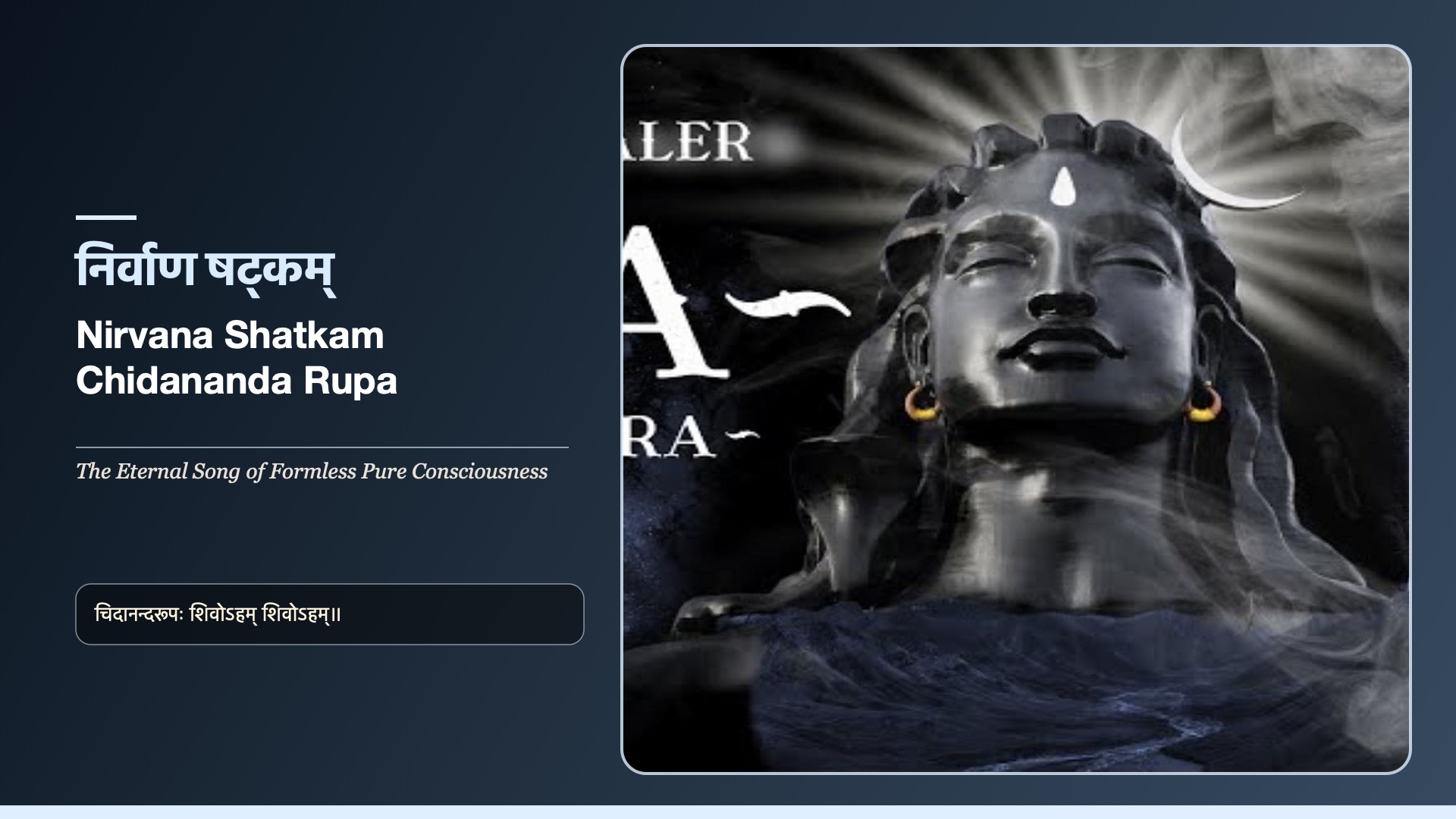
temple_hinduShiva (Pure Consciousness)
Advaita Vedanta • Adi ShankaracharyaAuthentic Studio Vedic Recitation
Nirvana Shatkam (Chidananda Rupa)
Presiding Deity: Shiva (Pure Consciousness) • Vedic Pitch & Meter Verified
0:00Studio Track
workspace_premiumWeb listener includes 1 full chant track. For uninterrupted offline loops and japa counter:
Get Tapas AppSacred Syllables & Transliteration
Devanagari Sanskrit text with accurate IAST phonetics
मनोबुद्ध्यहंकार चित्तानि नाहं न च श्रोत्रजिह्वे न च घ्राणनेत्रे। न च व्योम भूमिर्न तेजो न वायुश्चिदानन्दरूपः शिवोऽहम् शिवोऽहम्॥
Phonetic IAST Recitation
mano-buddhy-ahaṅkāra-cittāni nāhaṁ na ca śrotra-jihve na ca ghrāṇa-netre | na ca vyoma bhūmir na tejo na vāyuś cidānanda-rūpaḥ śivo'ham śivo'ham ||
Spiritual Meaning & Translation
I am neither the mind, intellect, ego, nor memory; nor sensory organs. I am beyond earth, ether, fire, or air. I am eternal consciousness and bliss: I am Shiva, I am Shiva.
auto_stories
Scriptural & Metaphysical Significance
Composed in the 8th century CE by Jagadguru Adi Shankaracharya in response to his Guru Govinda Bhagavatpada's inquiry 'Who are you?', the Nirvana Shatkam is the quintessential anthem of Advaita Vedanta (non-dual philosophy). Systematically negating false identifications with the mind, senses, elements, and social roles, each verse culminates in the resounding declaration 'Chidananda Rupah Shivoham Shivoham' (I am pure consciousness, eternal bliss, I am Shiva).
award_star
Benefits & Phalashruti
Traditional blessings and psychological impacts of devoted practice
✓
Soothes emotional turbulence and dissolves mental stress.
✓
Shields the auric field from external negativity and fear.
✓
Purifies the subtle nervous system and expands spiritual awareness.
✓
Aligns the individual mind with macrocosmic harmony and divine grace.
self_improvement
Agamic Sadhana Vidhi & Protocol
Classical parameters for optimal vibratory alignment and japa siddhi
Japa Rosary (Mala)
Rudraksha Mala (108 beads)
Recommended Count
Daily Recitation
Auspicious Muhurtha
Evening Contemplation
Facing Direction
East (Purva) or North (Uttara)
Asana (Seat Insulation)
Clean wool, cotton, or kusha grass asana
Step-by-Step Japa Procedure
1
Perform Shaucha (bathe and wear fresh clothing) and sit with an erect, unmoving spine.
2
Do Achamana (sip pure water reciting Keshavaya/Madhavaya) and take 3 rounds of Nadi Shodhana pranayama.
3
Formulate your inner Sankalpa (vow of intention) with heartfelt devotion, avoiding selfish demands.
4
Hold the Rudraksha Mala (108 beads) in the right hand at heart level, rotating beads using thumb and middle finger (never touch the mala with the index finger).
5
Conclude by offering the merits of the japa to the divine (Kshama Prarthana) and sit in silent absorption for 5 minutes.
Related Sacred Mantras
Chants harmonizing with Shiva (Pure Consciousness) and similar spiritual aspirations
Chandra Devata & Lord KrishnaSacred Stotram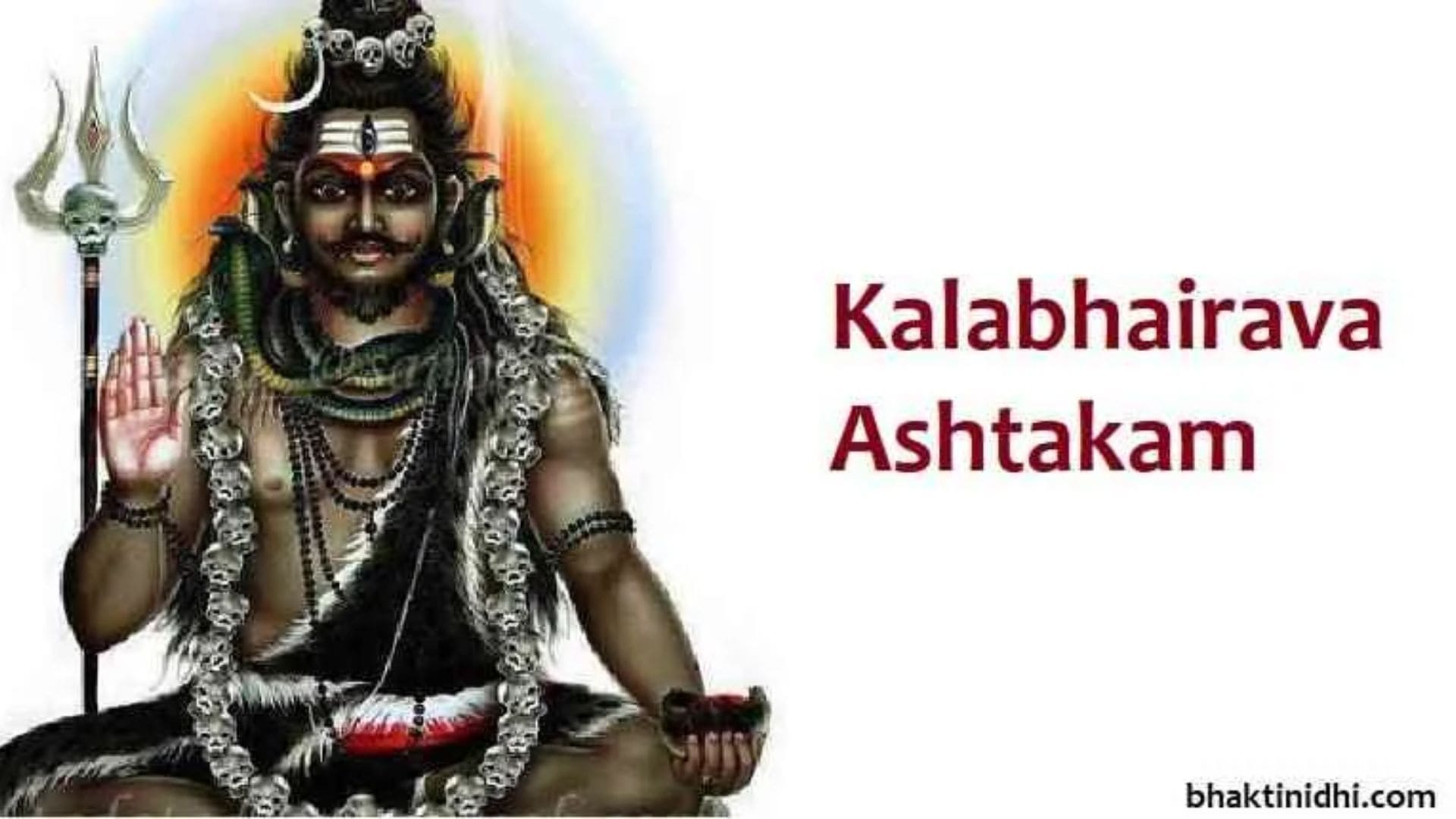 Lord Kaal BhairavaSacred Stotram
Kaal Bhairav Ashtakam
Adi Shankaracharya's renowned eight-verse hymn honoring the guardian of Kashi, destroying the fear of death, pride, and sin.
देवराजसेव्यमानपावनाङ्घ्रिपङ्कजं व्यालयज्ञसूत्रम्...
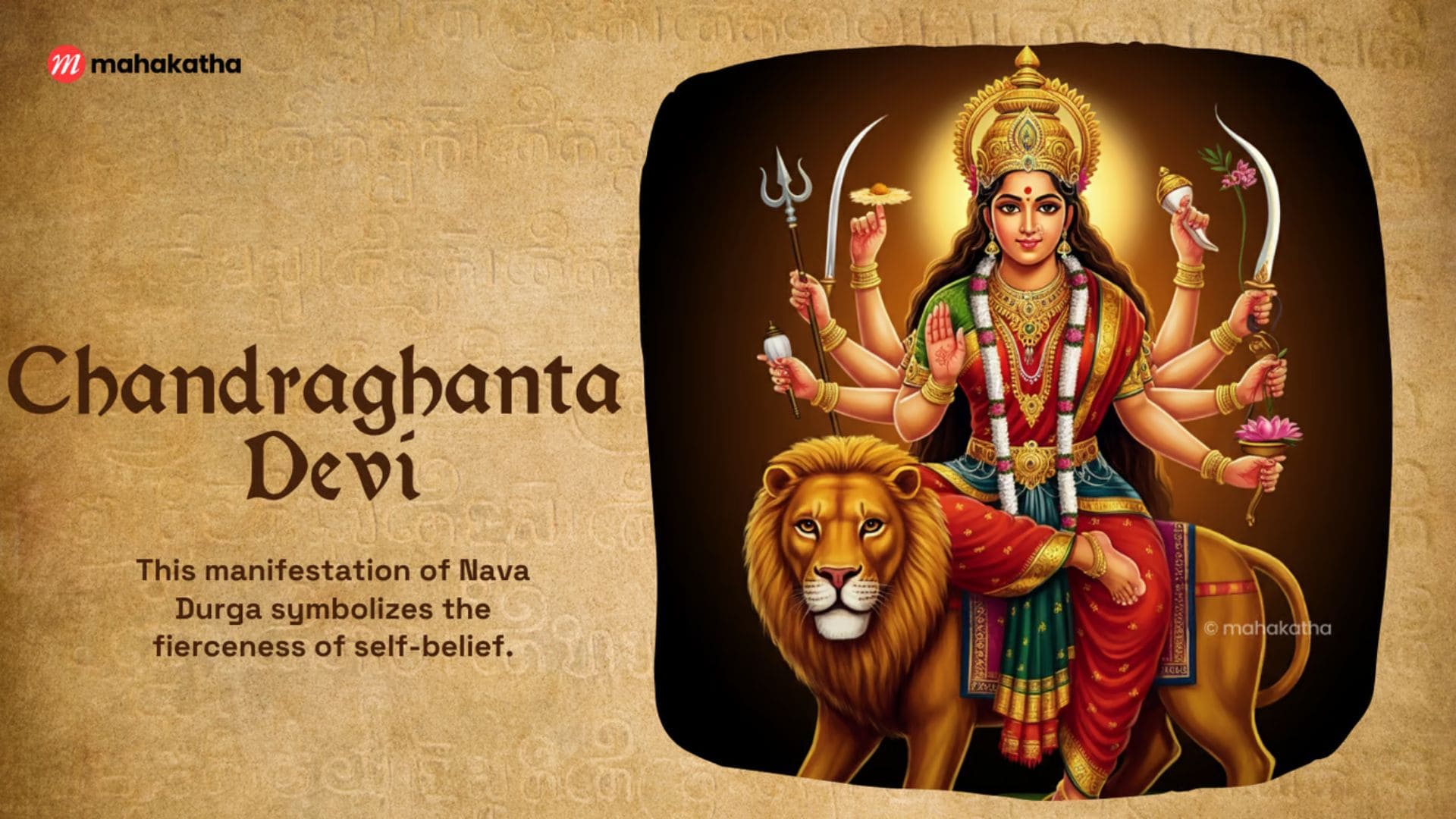 Maa Chandraghanta (3rd Form of Navadurga)Sacred Stotram
smartphoneTapas Guru Pocket Dhama
Carry the Consecrated Sound of Vedas Everywhere
Enjoy uninterrupted 108 japa streams recorded by authentic Gurukul Acharyas, smart digital mala counters with haptic beads, offline pronunciation guides, and synchronized sunrise Brahma Muhurtha alerts.


Digital Mala Active
Audio Loop54of 108 Beads
Maha Mrityunjaya Japa
Gurukul Chanting • Round 1
Brahma Muhurtha SyncEnabled (04:45 AM)
verifiedVetted by Learned Vedic Panditshistory_eduGurukul Shastra Parampara
Scriptural Authenticity & Accuracy Declaration
All sacred mantras, Sanskrit Devanagari verses, phonetically accurate IAST transliterations, and Agamic sadhana vidhis published on Tapas Guru are verified and vetted through multiple traditional Vedic scholars and Pandits.
Sanskrit is an exact acoustic science with profound nuances. If you notice any typographical, phonetic, or scriptural mistake on this page, please report it to our customer care handles so our editorial council can review and rectify it immediately.