

Dattatreya: The Triune God and Adi-Guru of Supreme Wisdom
Explore the significance of Dattatreya, the combined form of Brahma, Vishnu, and Shiva. Revered as the Adi-Guru, he embodies creation, preservation, and transformation, holding supreme wisdom and guiding spiritual seekers across Shaivism, Vaishnavism, and Shaktism.

Dattatreya is a powerful and important deity in Hinduism. Here's a breakdown of the concepts you've mentioned:
Dattatreya's Significance
Triune God: Dattatreya is considered a combined form of the Hindu trinity: Brahma: The creator aspect of the divine Vishnu: The preserver aspect Shiva: The destroyer/transformer aspect Guru Principle: He is revered as the Adi-Guru (the original teacher) and an embodiment of supreme knowledge and wisdom. Spiritual Paths: Dattatreya is significant across various Hindu traditions, including Shaivism, Vaishnavism, and Shaktism. Followers of different paths find aspects of their chosen deity reflected in him. Interpretations About Origin
There are varying beliefs about Dattatreya's origins:
Combination of the Trinity: The most common belief is that he is an embodiment of the three primary forms of the divine, Brahma, Vishnu, and Shiva. Incarnation (Avatar): Some texts view Dattatreya as an avatar of Vishnu or, less commonly, of Shiva. Independent Deity: Other perspectives consider him a powerful deity in his own right, embodying universal principles beyond the trinity. Dattatreya's Power
Regardless of how his origins are interpreted, Dattatreya is considered a very powerful deity due to:
Combination of Divine Aspects: He embodies the powers of creation, preservation, and transformation (or destruction). Supreme Knowledge: He holds the wisdom of all the gods and is looked up to by seekers of spiritual enlightenment. Connection to Yoga and Tantra: Dattatreya is important in Yogic and Tantric practices, indicating his association with the control of life energies and spiritual disciplines.
In the sacred tradition of Sanatana Dharma, stories are not merely historical lore — they are living mirrors of consciousness. Contemplate how the virtues portrayed in this narrative can guide your decisions today.
Experience the Tapas Mobile App
Listen to audio recitations, explore Vedic podcasts, and get personalized daily horoscope & pooja remedies.
Similar Sacred Stories
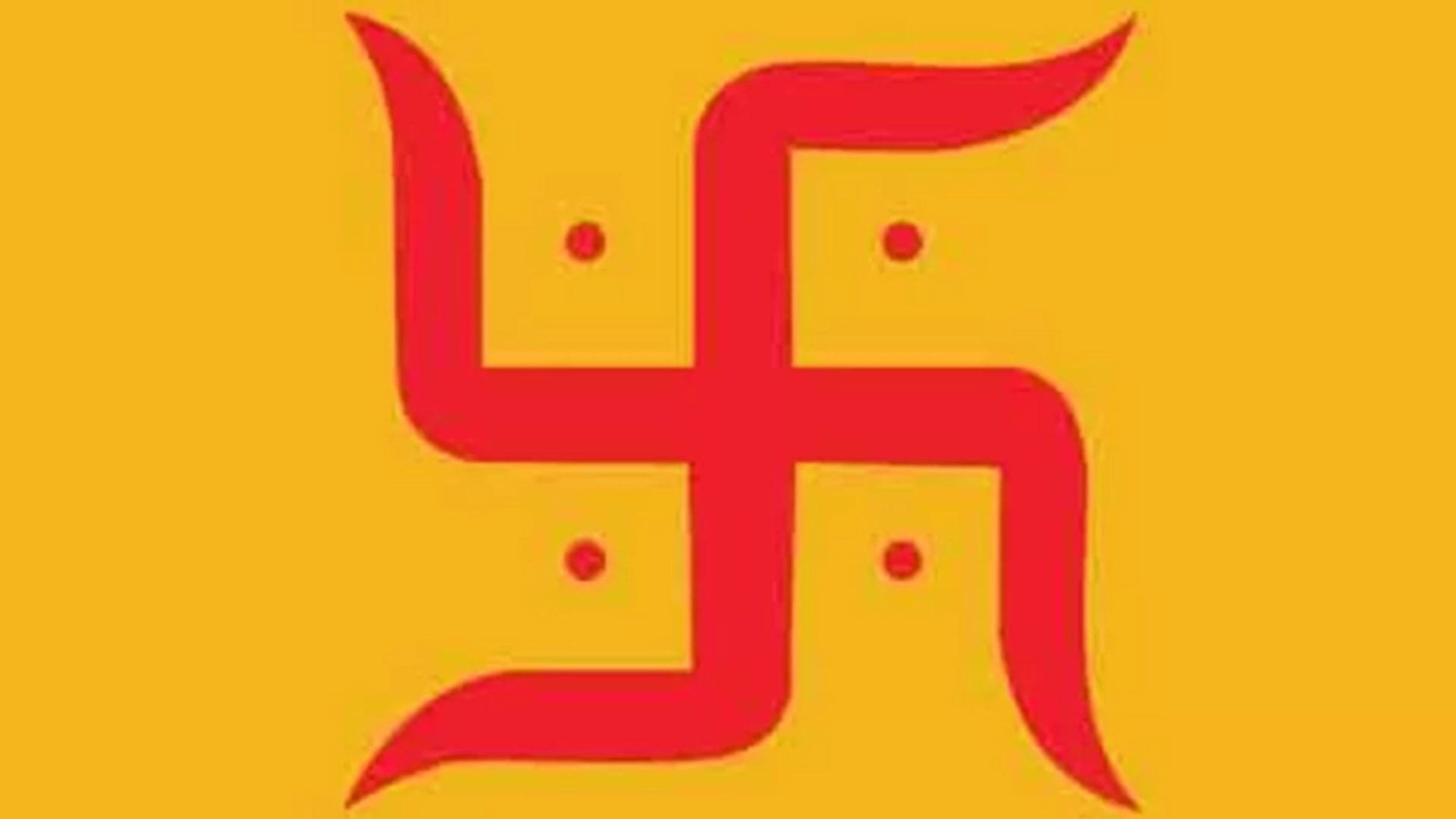
The Swastika: A Symbol of Good Luck, Peace, and Cultural Significance in Hinduism
The swastika is an ancient symbol representing good fortune, well-being, and divine protection, especially in Hinduism. Originating in the Neolithic Period, it embodies the essence of life, cultural heritage, and auspicious energy. In Hindu rites and festivals, it is seen as a symbol of protection, strength, and positivity. Explore the cultural and religious importance of the swastika, its origins, and its misuse during the Nazi era.

The Hindu Philosophy of Life, Death, and Rebirth
Delve into the Hindu worldview of life and death as an eternal cycle governed by *samsara* (reincarnation) and *karma*. Understand the soul's journey beyond the physical body, the spiritual role of grief, and the importance of *dharma*—a moral code that harmonizes life with cosmic order. Discover the profound path toward liberation (*moksha*).

Kumbh Mela: The Sacred Festival of Spiritual Purity and Liberation
Discover the spiritual and cultural essence of the Kumbh Mela, held every twelve years in Prayagraj at the confluence of the sacred rivers Ganga, Yamuna, and Saraswati. Learn about its deep spiritual significance, rituals like the holy dip (Shahi Snan), the belief in attaining moksha (liberation), and its global attraction with millions of devotees, including foreigners, participating to experience purity, healing, and enlightenment.