

Ekanamsha: The Divine Yogamaya in Krishna’s Life and the Slaying of Shumbha-Nishumbha
Explore the fascinating tale of Goddess Ekanamsha, also known as Devi Yogamaya, from the *Harivamsa* of the *Mahabharata*. Learn how she was born as Yashoda’s daughter, exchanged with Lord Krishna to protect him from Kamsa, and later revealed her divine form. Discover her prophecy to destroy the asuras Shumbha and Nishumbha in the Vindhya mountains, her connection to the Yadavas in Dwaraka, and her significance as the goddess of protection and transformation. Ekanamsha embodies the unbroken power of Yogamaya, linking the cosmic energies of Vishnu and the Shakta tradition.
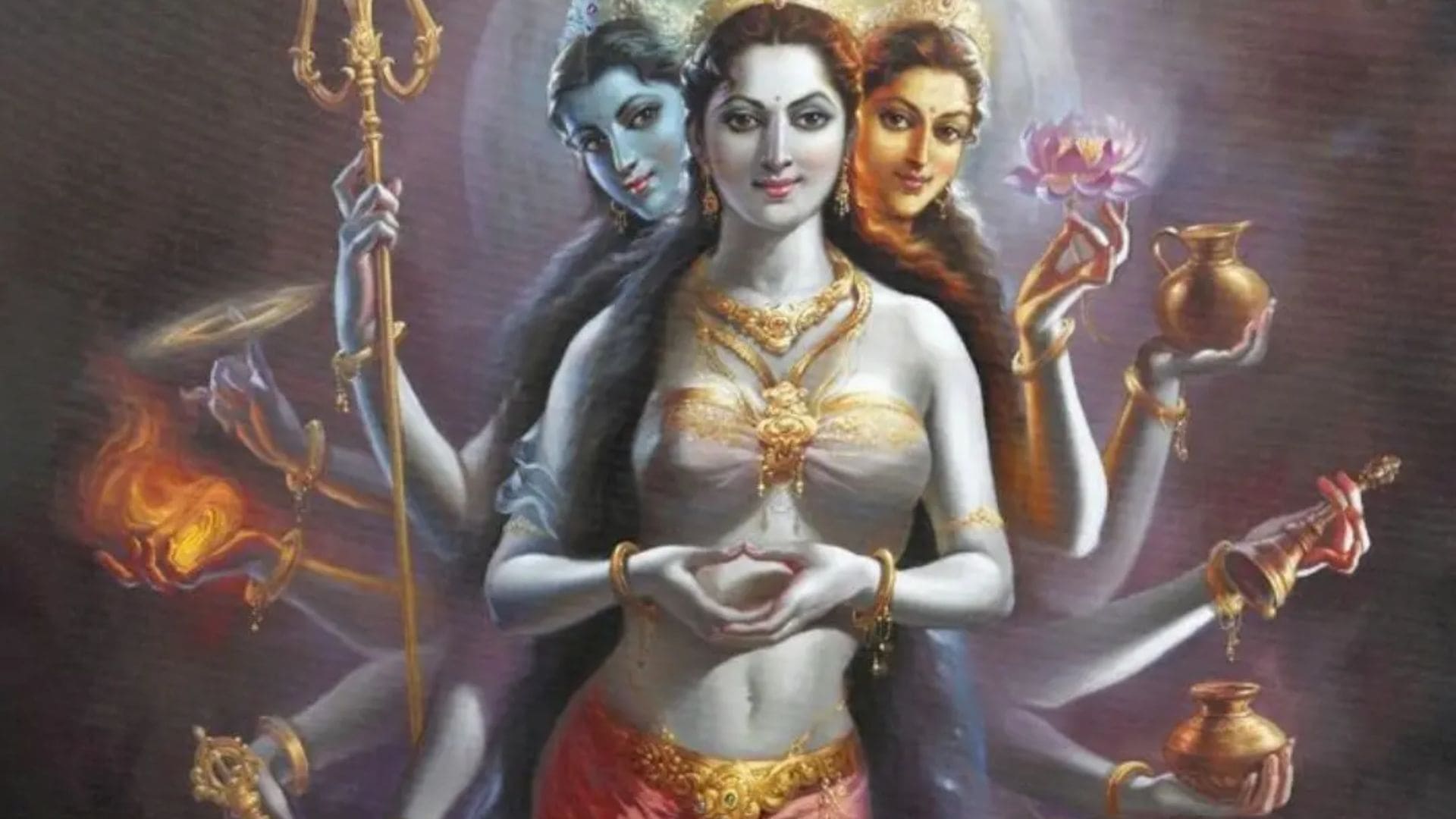
Ekanamsha is Devi Yogamaya who was born as the daughter of Yashoda and was exchanged with Shri Krishna. She was the girl child whom Kamsa tried to kill by smashing on a rock. She was the goddess who warned Kamsa about his imminent doom. Her story is described in Harivamsa of Mahabharata.
1. Lord Vishnu describes Goddess Ekanamsha - “O goddess, may you fare-well; as being the ninth of our race, you will be conceived by Yashoda, the best of milk-women, the most beloved wife of Nanda the master of Kamsa’s kine. You will be born on the ninth day of the dark half of the month.
Afterwards when Vasava will assign to you the mount Vindhya for your habitation you will adorn the world with thousand provinces.
O goddess, there thinking of me in your mind, and starting with the goblins you will kill the two demons Shumbha and Nishumbha living in mountain, with all their attendants.”
2. Narada describes Ekanamsha to Kamsa -
“The daughter, whom you dashed against a stone in that night, is Yashoda’s daughter and know Krishna as Vasudeva’s son. Vasudeva, your enemy in the guise of a friend, after due consultation, exchanged the children in night for bringing about your death. Having slain on the Vindhya mountain the two sky-ranging Danavas, Shumbha and Nisumbha, that daughter of Yashoda, sprinkled by the gods, is being worshipped by the dreadful robbers and various animals. She is fond of human and animal sacrifices and confers boon (upon her worshippers) after their hearts. Embellished with two jars full of wine and blood and adorned with peacock-feathers she has made her own abode, by her own power, in the forest of the Vindhya range.“
3. Ekanamsha lived in Dwaraka with the Yadavas -
“Thereupon, the illusory daughter of Yashoda, whom the people describe as one and without any parts, with whom, the Purusottam Krishna, the king of gods, was born at the same moment and for whom he slew Kamsa with his relatives, appeared before Krishna and Rama, the foremost of men. Up to this time she was being adored in the Vrishni family and was being brought up and maintained like a daughter. She, whom the people of the world know as the irrepressible Yoga maiden, and as one and without any parts, was born for the protection of Keshava. Because she protected Keshava with her goddess-like celestial body the Yadavas used to worship her with great pleasure. As soon as she entered the Hall, Madhava approached her, like unto a man his beloved female friend and held her by the hand.”
In the sacred tradition of Sanatana Dharma, stories are not merely historical lore — they are living mirrors of consciousness. Contemplate how the virtues portrayed in this narrative can guide your decisions today.
Experience the Tapas Mobile App
Listen to audio recitations, explore Vedic podcasts, and get personalized daily horoscope & pooja remedies.
Similar Sacred Stories
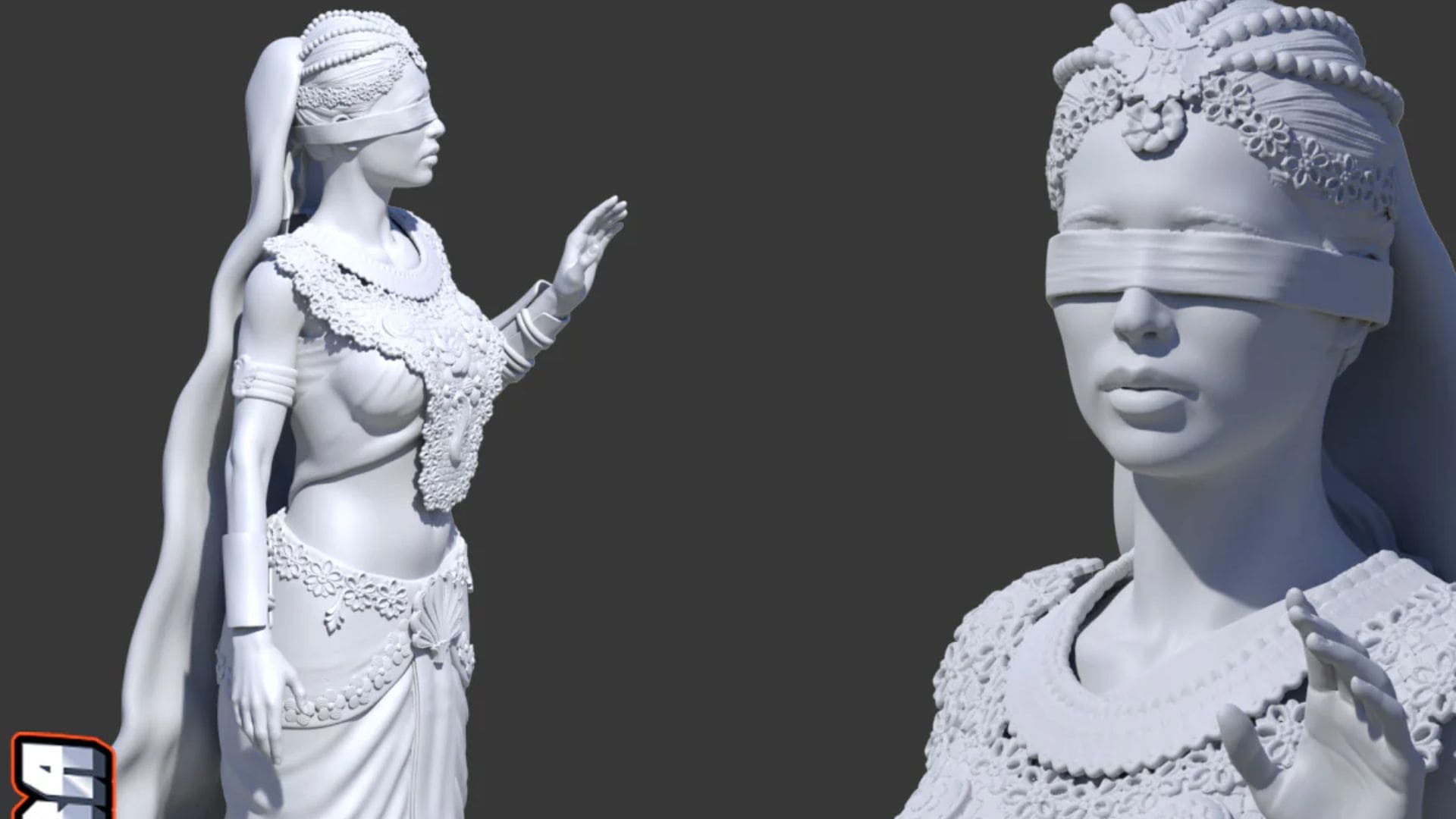
Gandhari: The Tragic Queen of the Mahabharata
Explore the compelling story of Gandhari, the princess of Gandhara, wife of the blind king Dhritarashtra, and mother of the Kauravas in the epic Mahabharata. Known for her devotion, sacrifice, and strength, Gandhari blindfolded herself to share her husband’s fate. Her grief over the loss of her hundred sons in the Kurukshetra war led to her curse upon Krishna, setting the stage for the fall of the Yadava dynasty. A tale of love, loss, and moral complexities.
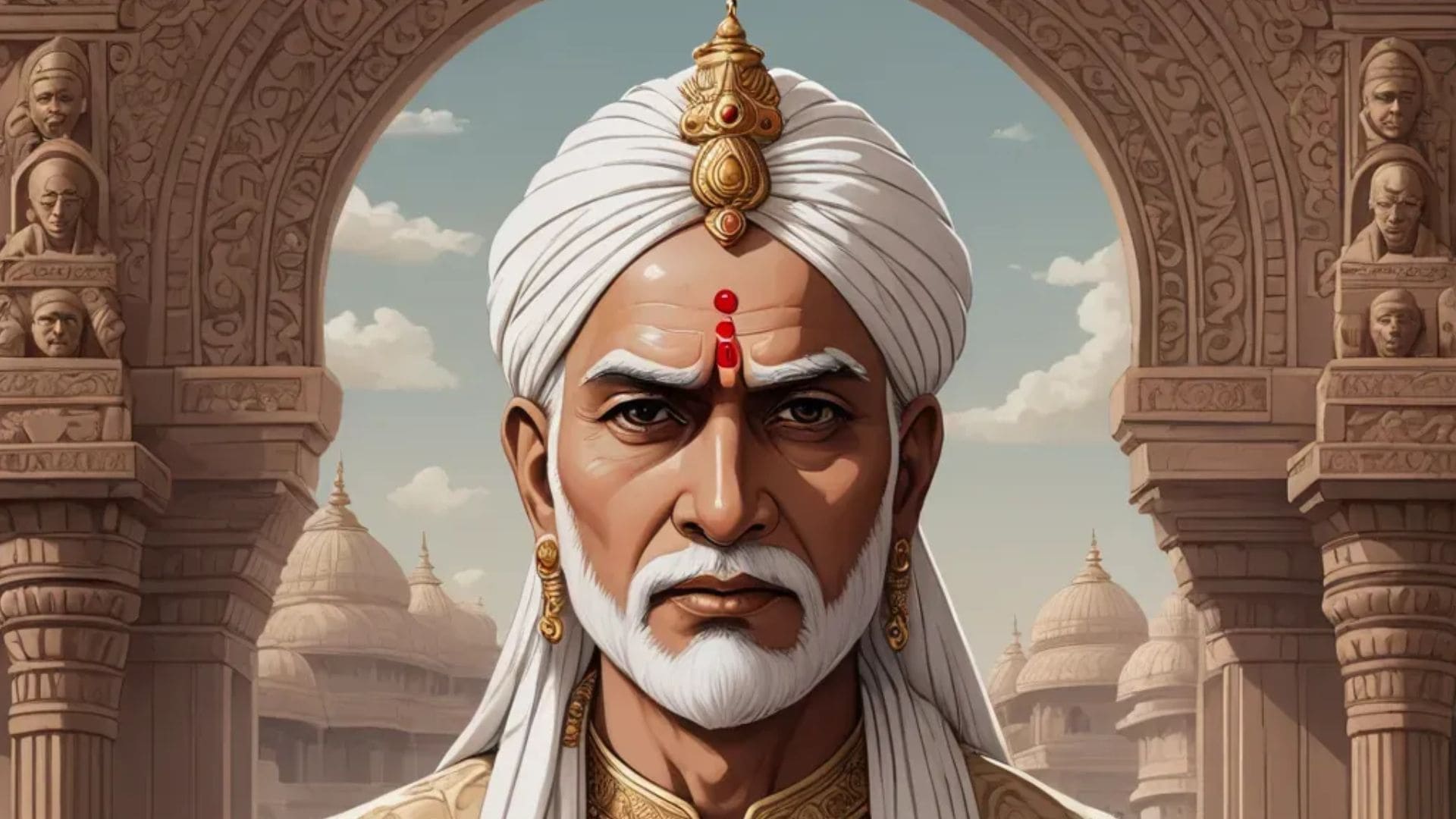
Bhishma: The Epitome of Dharma and Sacrifice in Mahabharata
Explore the life of Bhishma, born as Devavrata, one of the greatest warriors in Indian mythology. Known for his unwavering adherence to dharma, Bhishma made immense sacrifices for the throne of Hastinapura, including his vow of celibacy. Discover his role in shaping the Mahabharata, his mentorship to the Kuru princes, his legendary battle with Parashurama, and his poignant journey of loyalty, sacrifice, and sorrow, culminating in his bed of arrows.
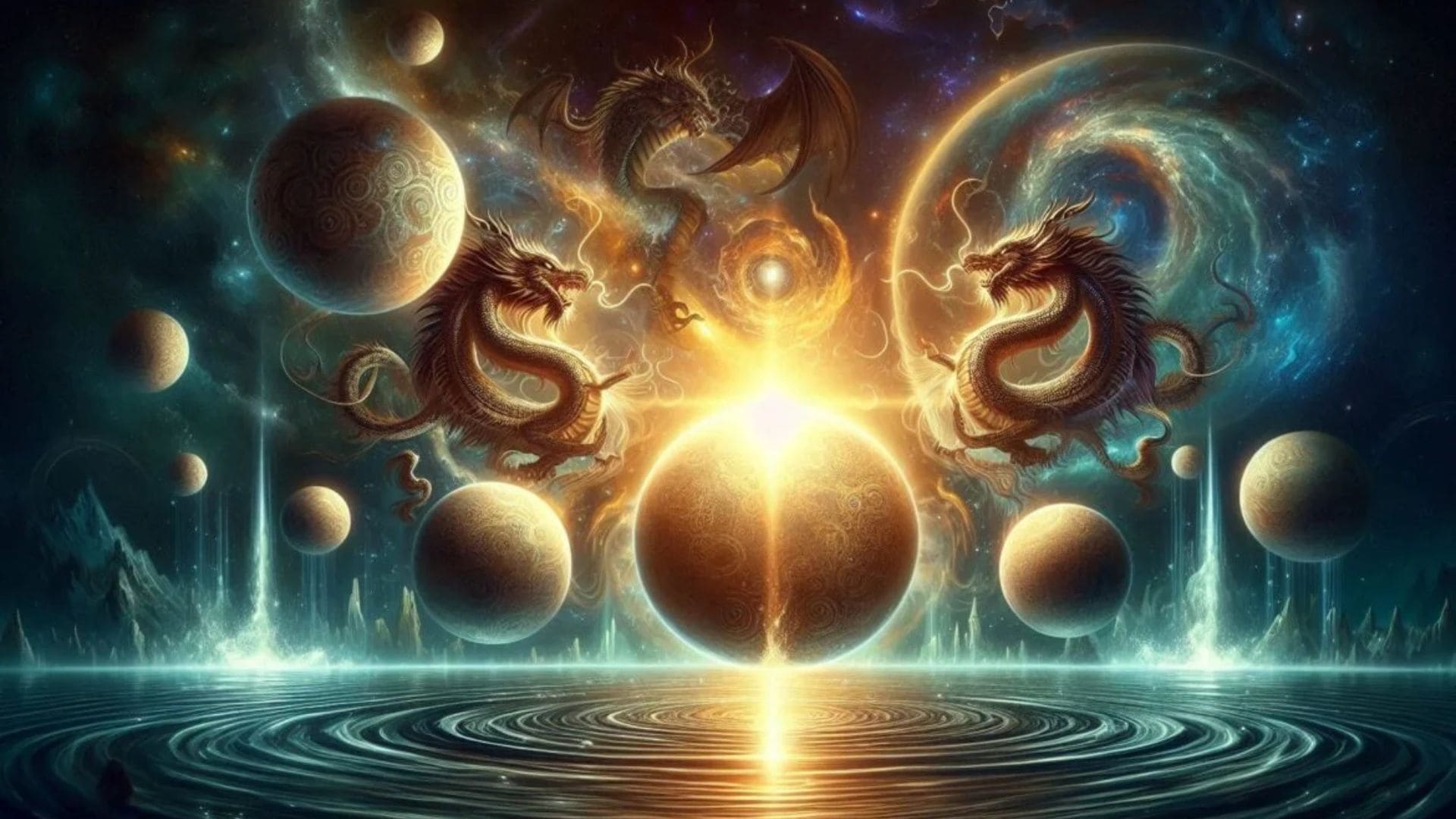
The Aftermath of Kurukshetra: Grief, Wrath, and the Weight of Karma
Explore the intense emotional and moral reckoning following the Mahabharata war. Dhritarashtra's grief and rage, Gandhari's wrath and curses, Bhima's defiant defense of his actions, and Krishna's acceptance of destiny—all come together in this poignant narrative of loss, accountability, and the inexorable cycle of karma.