

Gandhari: The Tragic Queen of the Mahabharata
Explore the compelling story of Gandhari, the princess of Gandhara, wife of the blind king Dhritarashtra, and mother of the Kauravas in the epic Mahabharata. Known for her devotion, sacrifice, and strength, Gandhari blindfolded herself to share her husband’s fate. Her grief over the loss of her hundred sons in the Kurukshetra war led to her curse upon Krishna, setting the stage for the fall of the Yadava dynasty. A tale of love, loss, and moral complexities.

Gandhari plays a prominent role in the Hindu epic the Mahabharata.
She was a princess of Gandhara and the wife of Dhritrashtra, the blind king of Hastinapura, and the mother of a hundred sons, the Kauravas, and a daughter. She is depicted with a blindfold, which she wore in order to live like her blind husband.
Gandhari was born in the place known as Gandhahar. Gandhari was a princess of Gándhára, hence her name came to be known as Gandhari.
Gandhari, who gave birth to a hundred sons, deeply loved her children. When she lost all her sons in the battle of Kurukshetra, spearheaded by Shri krishan, she cursed him.
At the end of the Mahabharata war, Gandhari loses all of her sons except Duryodana (The Gadayudda between him and Bheema was yet to occur). Krishna comes to visit Gandhari.She knows all her sons have been killed by Bheema in the war. She could also hear the cries of all the slain soldier's wives lamenting in grief and Gandhari was helpless and could find no way to console any of them. Gandhari blames Krishna to be the cause for this total destruction of the Kuru race. Gandhari believes that Krishna, though he had the power to prevent the war, did not do enough to prevent it. So, if Krishna had really willed, this bloodshed could have been avoided. In a fit of rage, Gandhari curses Krishna and says that the Yadav clan would also be destroyed through an internal strife in the same way as the Pandava and Kauravas were destroyed after fighting with each other. All the wives of the Yadava clan will lament over their dead husbands, the same way as the widows of the Kuru race lament over their dead husbands now. She also curses that Krishna will be a mute witness of this entire carnage. She also says Krishna would watch his entire clan perish and would himself die a cheap death like an animal.
In the sacred tradition of Sanatana Dharma, stories are not merely historical lore — they are living mirrors of consciousness. Contemplate how the virtues portrayed in this narrative can guide your decisions today.
Experience the Tapas Mobile App
Listen to audio recitations, explore Vedic podcasts, and get personalized daily horoscope & pooja remedies.
Similar Sacred Stories
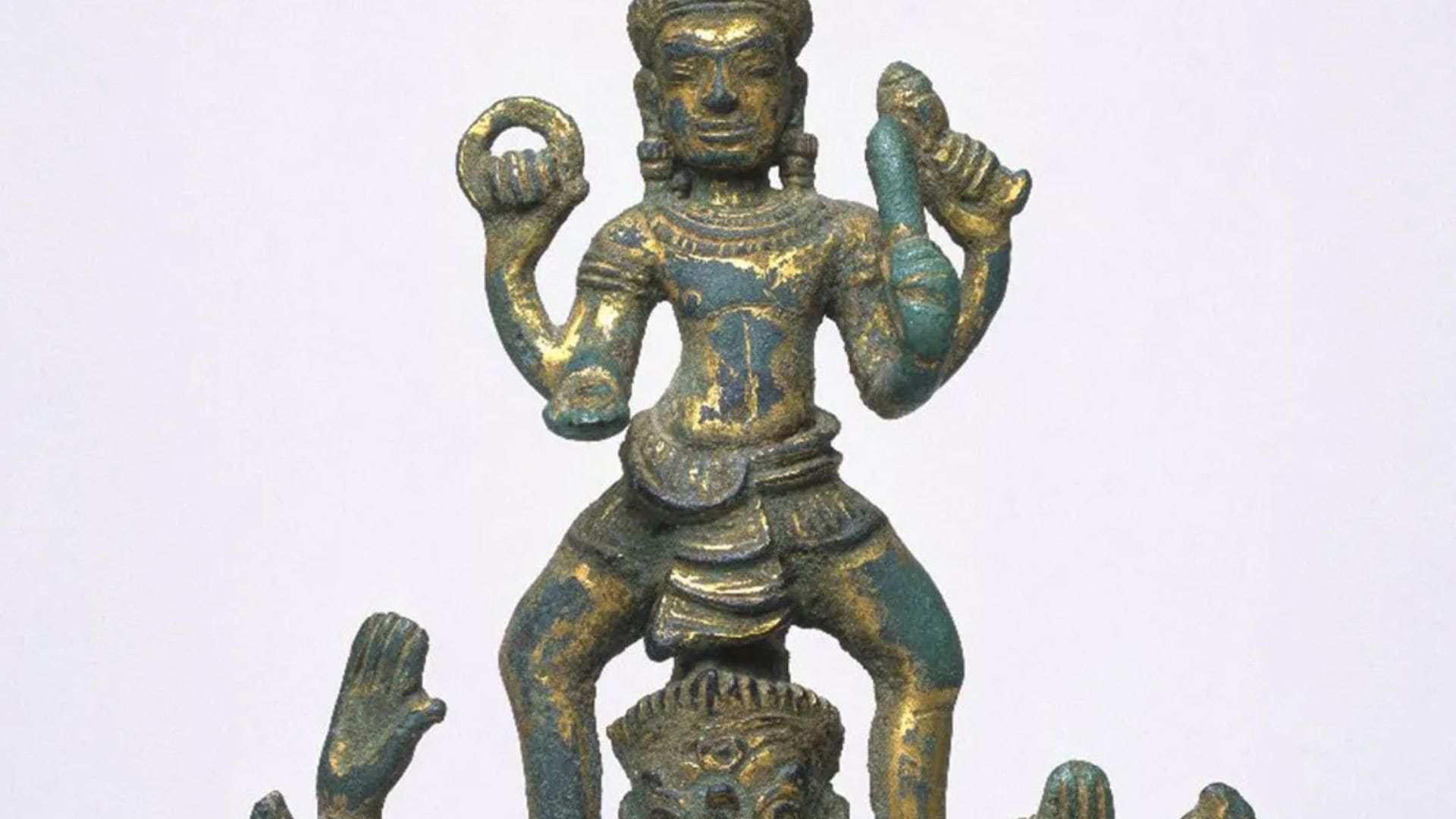
Garuda vs. Nandi: A Mythological Comparison of Strength and Symbolism
Explore the fascinating mythology of Garuda and Nandi, two iconic figures in Hindu lore. Dive into their origins, divine blessings, extraordinary powers, and symbolic roles within the cosmic order. Learn why Garuda, with his unparalleled strength and cosmic feats, stands as a supreme being, while Nandi represents unwavering devotion and loyalty to Shiva.
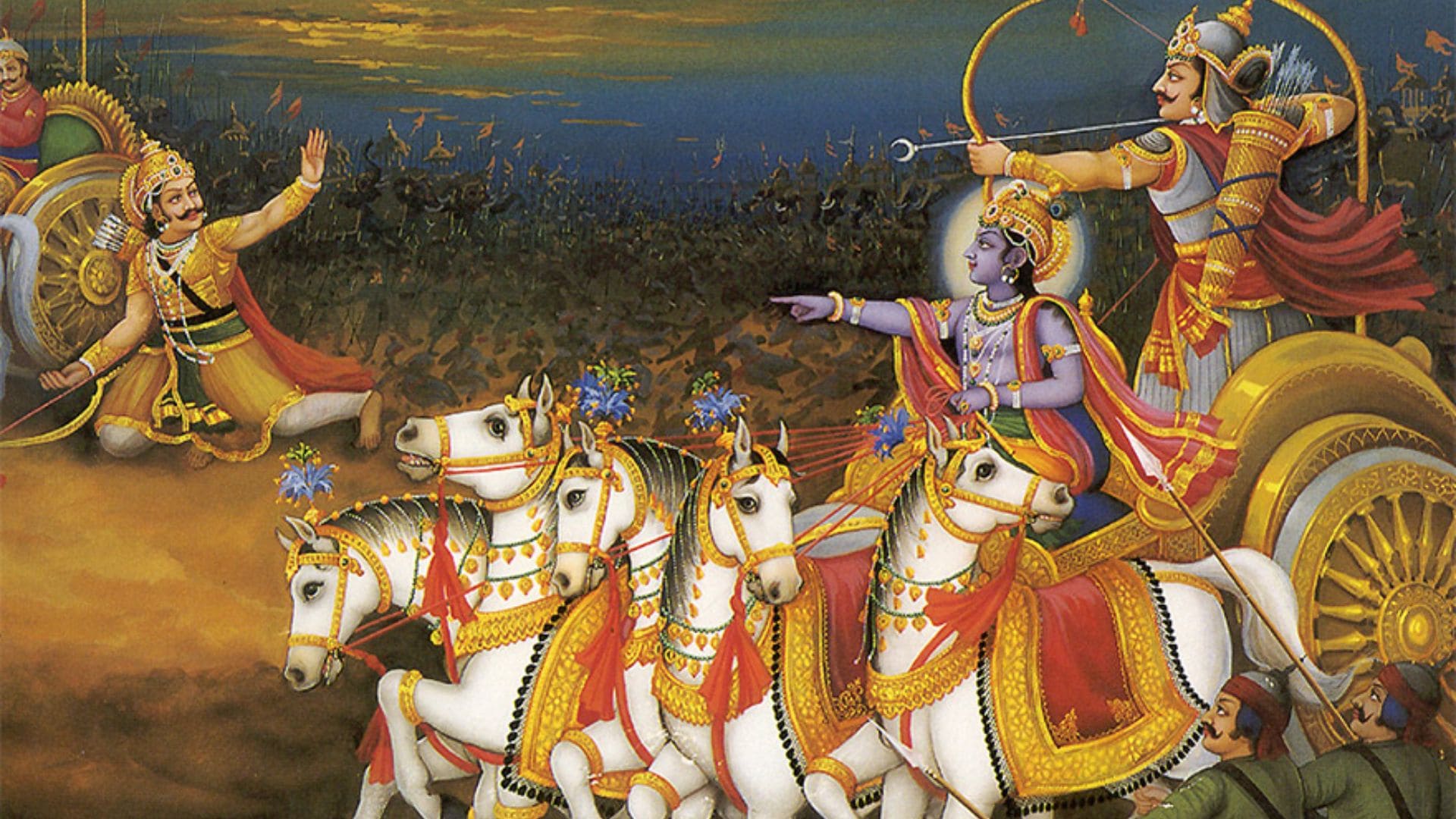
Karna and His Karmic Journey: Unveiling His Past Life as Dambodhava
Discover the untold story of Karna’s karmic journey in the Mahabharata, tracing his past life as the demon Dambodhava. Explore how his actions in a previous birth shaped his destiny, his tragic flaws, and his role in fulfilling divine justice through Arjuna and Krishna (Nar and Narayan). Unravel the deeper layers of dharma, karma, and fate in this timeless epic.
5 Lesser-Known Stories from the Mahabharata That You Must Know
Discover five fascinating and rarely heard stories from the Mahabharata that reveal intriguing events and profound lessons. From Dronacharya's unique birth as India’s first "test tube baby" to Krishna’s compassionate role as Mohini, these untold tales shed light on the depth of this ancient epic. Learn about Sahadev’s mystical knowledge, Karna and Duryodhana’s remarkable friendship, and Ghatotkacha’s cleverness in love. Dive into these captivating stories and explore the timeless wisdom of the Mahabharata.