

Lord Ram's Divine Leelas: The Worship of His Devotees
Explore the profound significance behind Lord Ram's worship of other deities as part of His divine Leelas. Discover how this act reflects His omnipresence, humility, and the lessons He imparted for humanity as Maryada Purushottam. Dive into the mystical nature of His actions, which continue to inspire devotion and awe, reminding us of the unfathomable depths of divinity.
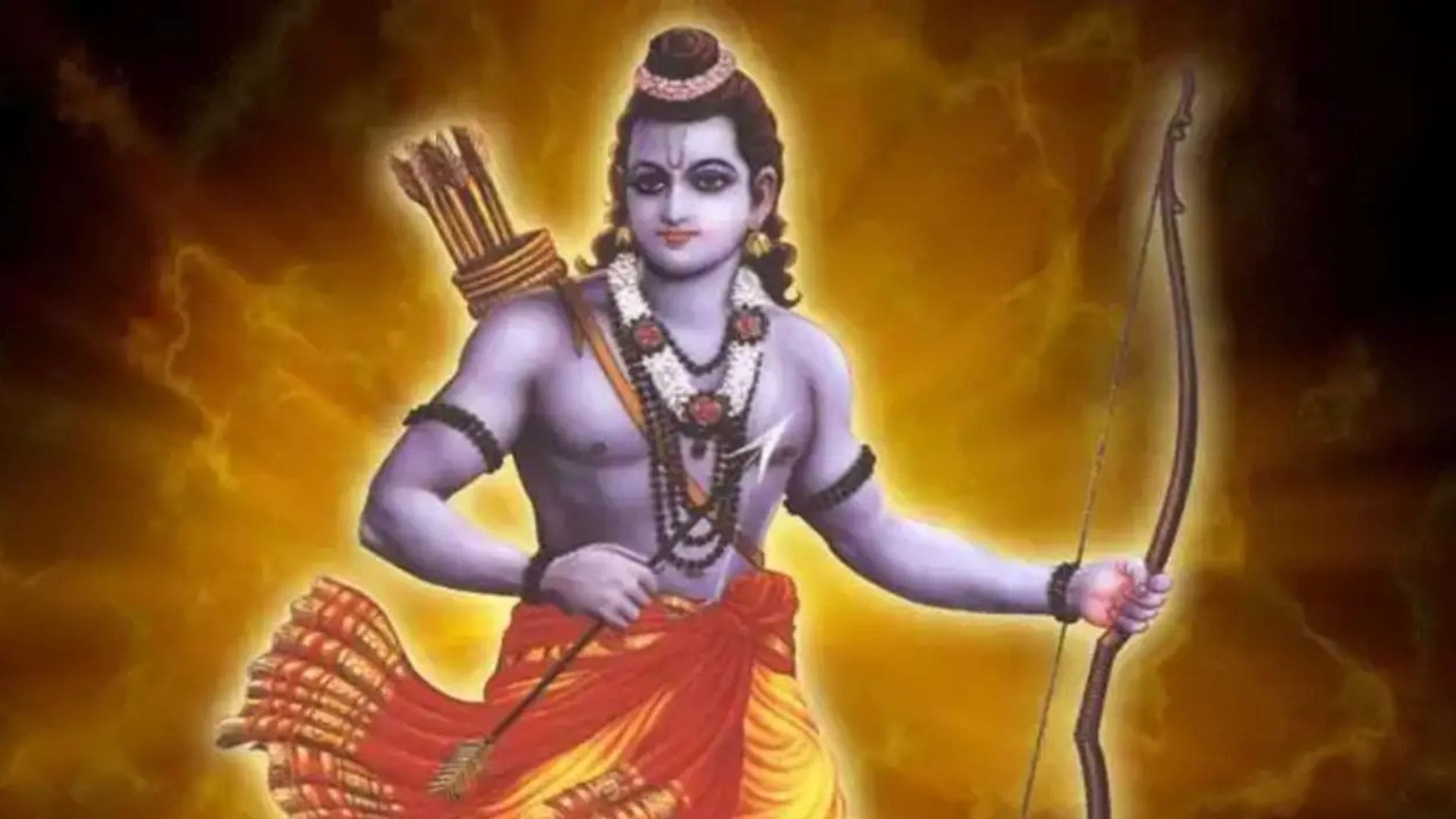
Lord Ram exists EVERYWHERE and Himself is in EVERYTHING. He just worshipped Himself by worshipping other deities. He also did that to show us humans that we must worship all the deities who are all His devotees. He also did that because in this Avatar, the Lord wishes to completely perform His Leelas like a human and hence did all the things that humans must do. He also did that because, He is the devotee of His devotees and only bows down to the devotion of His devotees and ALL the deities are His devotees. Lord Maryada Purushottam only worshipped and prayed to other deities because of the above reasons and seeking their blessings was a playful Leela of His. He is the the most independent and All-powerful, He just did that as a part of His Leelas. Moreover, we are not someone who can possibly know the reason behind His actions, we can only simply be mesmerized by His actions, as we have absolutely no capability to comprehend His actions.
In the sacred tradition of Sanatana Dharma, stories are not merely historical lore — they are living mirrors of consciousness. Contemplate how the virtues portrayed in this narrative can guide your decisions today.
Experience the Tapas Mobile App
Listen to audio recitations, explore Vedic podcasts, and get personalized daily horoscope & pooja remedies.
Similar Sacred Stories

Kubera: The God of Wealth and Guardian of the Northern Direction
Explore the fascinating story of Kubera, the God of Wealth in Hindu mythology. Born to Sage Vishrava and Ilavida, Kubera was the virtuous half-brother of the infamous Ravan. Once the ruler of Lanka, he was overthrown by Ravan but later established his divine city, Alakapuri. Known as the 'King of Kings' and 'Lord of Riches', Kubera is revered as the protector of the North and a close companion of Lord Shiva. Discover his journey from being the chief of spirits in Vedic texts to a Lokapala and the wealthiest of all devas, living amidst celestial treasures and the enchanting grove of Caitraratha
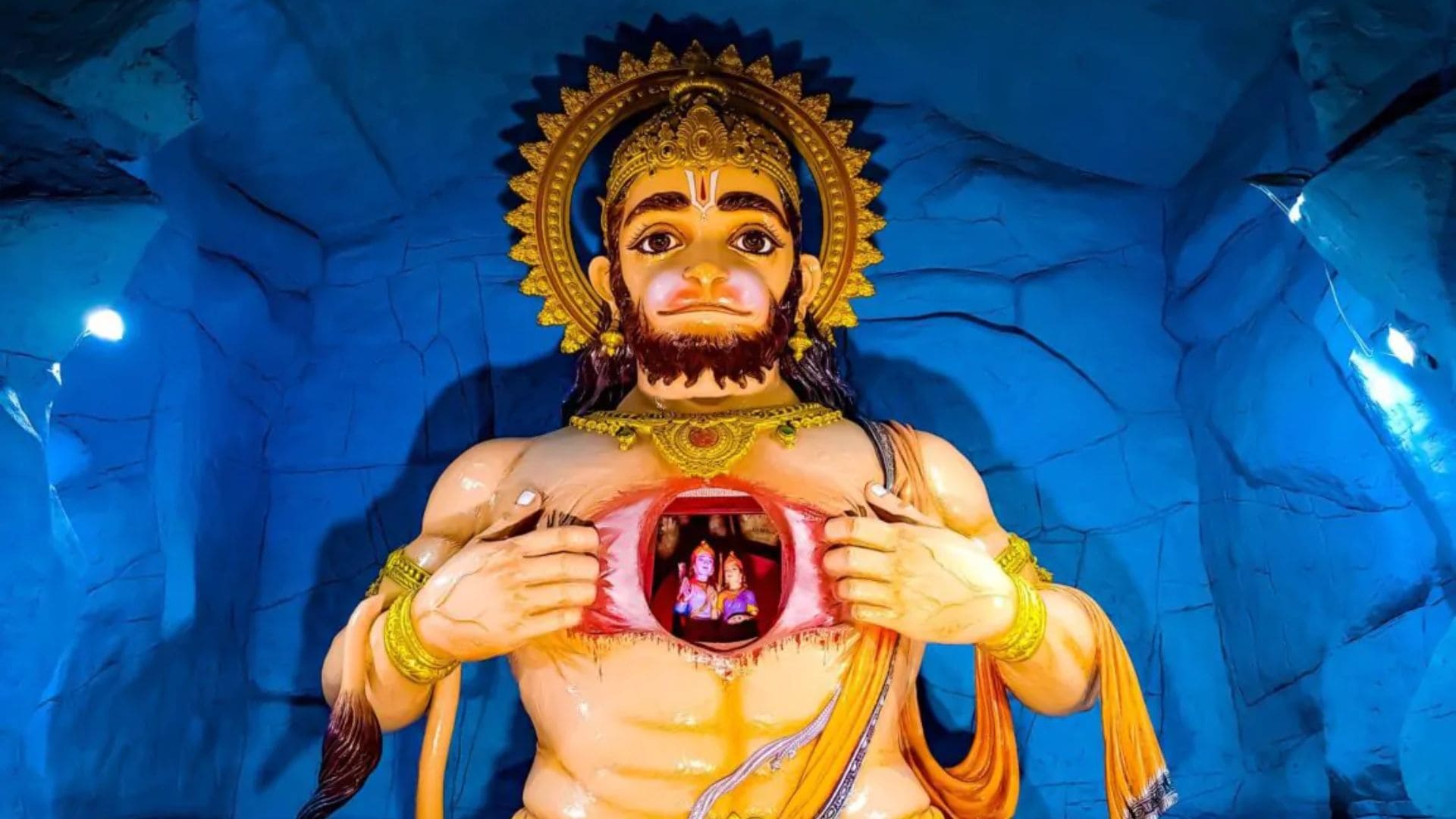
Why Lord Hanuman Did Not Fight Bali: A Lesson in Dharma, Humility, and Divine Wisdom
Lord Hanuman, the embodiment of strength and devotion, refrained from fighting Bali in the Ramayana, following dharma and his divine role. This video explores the profound reasons behind Hanuman's decision, including respect for Bali's authority, his loyalty to Sugriva, and his understanding of the divine plan set by Lord Rama. Discover the deeper lessons in humility, self-restraint, and using power wisely that Hanuman’s actions teach us

The Bond Between Drona and Arjuna: A Teacher’s Favoritism and a Disciple’s Devotion
This narrative explores the deep relationship between the great warrior Drona and his pupil Arjuna. Despite Drona’s initial preference for his son, Ashwatthama, it is Arjuna’s unparalleled dedication, intelligence, and perseverance that earns him the title of Drona’s favorite student. From the water-fetching task that fueled Arjuna’s ingenuity to the dark nights of practice that led to the discovery of Sonic Archery, witness how Arjuna’s relentless pursuit of excellence ultimately fulfilled Drona’s promise to make him the greatest archer in the world.