

The Origins and Significance of Kumbh Mela: A Journey of Faith and Mythology
Explore the captivating origins of Kumbh Mela, rooted in the story of Samudra Manthan from Hindu mythology. Discover the spiritual significance of the four sacred pilgrimage sites — Prayagraj, Haridwar, Ujjain, and Nashik — and learn about the celestial alignments that make this festival a profound celebration of faith, unity, and spiritual cleansing.

The origins of the Kumbh Mela are deeply intertwined with Hindu mythology, particularly the story of the Samudra Manthan, or the churning of the ocean. According to ancient scriptures, this cosmic event was a collaboration between the Devas (gods) and Asuras (demons) in their quest for Amrit, the nectar of immortality. As the gods and demons churned the ocean, a kumbh (pot) of nectar emerged. To prevent the demons from gaining immortality, the god Vishnu, in his form of Mohini, seized the pot and flew away with it. During his journey, a few drops of the nectar fell at four locations: Prayagraj, Haridwar, Ujjain, and Nashik.
These four places became sacred pilgrimage sites where the Kumbh Mela is celebrated on a rotating basis. The significance of Prayagraj (formerly known as Allahabad) lies not only in this myth but also in its geography. It is at the Triveni Sangam, the confluence of three sacred rivers: Ganga, Yamuna, and the mythical Saraswati. This confluence is considered one of the holiest places in Hinduism, believed to be imbued with extraordinary spiritual energy.
The Kumbh Mela is celebrated in a 12-year cycle, corresponding to the astrological positions of the Sun, Moon, and Jupiter. The 2025 Kumbh Mela is particularly significant because it is a Maha Kumbh, which occurs only once every 144 years at Prayagraj. This celestial alignment during the festival is believed to create an auspicious time for spiritual activities, with pilgrims taking a holy dip in the rivers to cleanse themselves of past sins and achieve moksha.
The Kumbh Mela not only serves as a religious gathering but also reflects centuries-old cultural traditions, bringing people together in an extraordinary display of faith, devotion, and community.
In the sacred tradition of Sanatana Dharma, stories are not merely historical lore — they are living mirrors of consciousness. Contemplate how the virtues portrayed in this narrative can guide your decisions today.
Experience the Tapas Mobile App
Listen to audio recitations, explore Vedic podcasts, and get personalized daily horoscope & pooja remedies.
Similar Sacred Stories
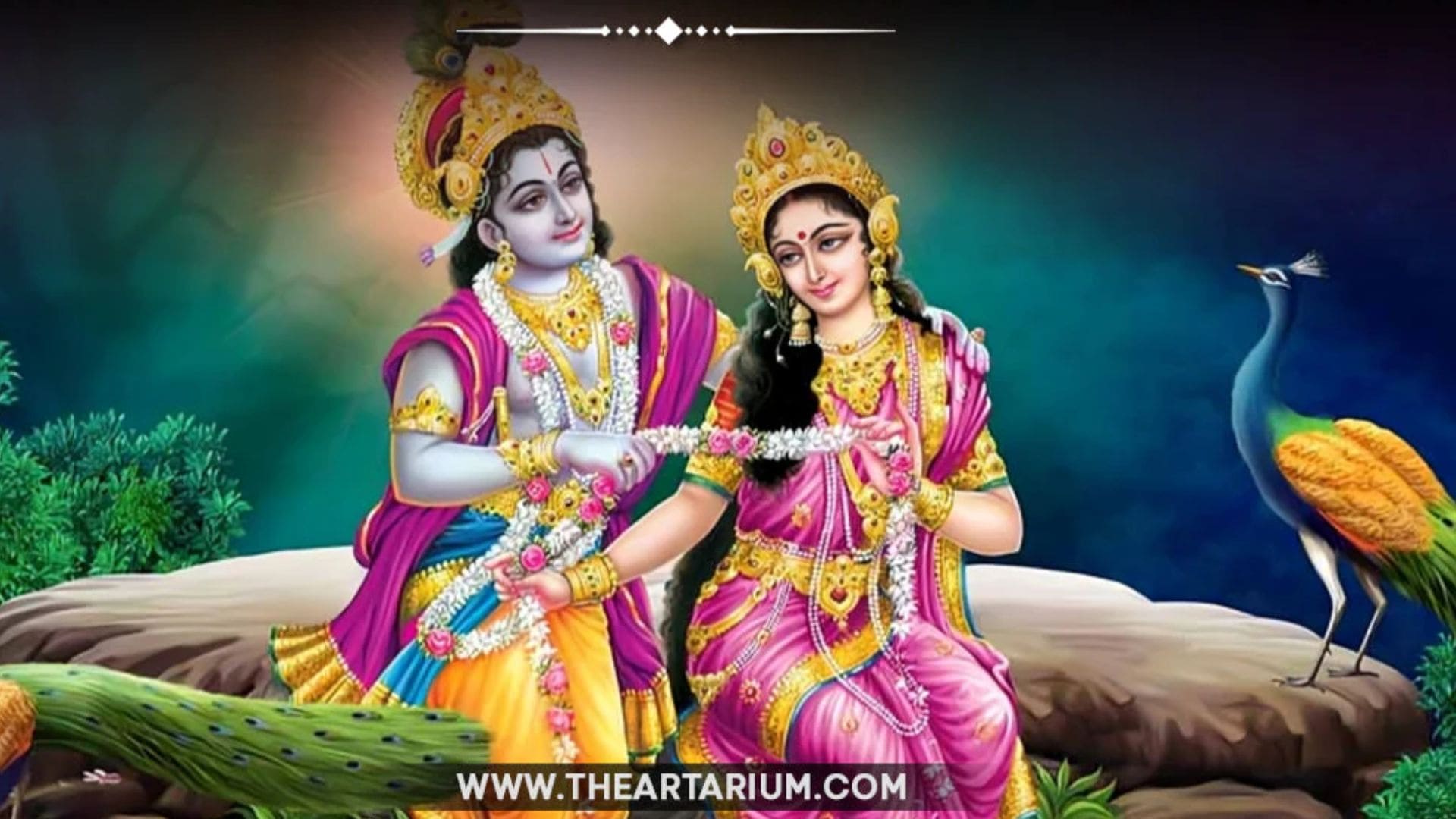
The Divine Love of Lord Krishna and Rukmini: A Tale of Eternal Devotion
the timeless bond of Lord Krishna and Maharani Rukmini, the embodiment of Shri Vishnu and Mahalakshmi.Explore their divine love, Rukmini’s devotion, and the spiritual significance of their union as described in sacred texts like the Rukmini Ashtakam.
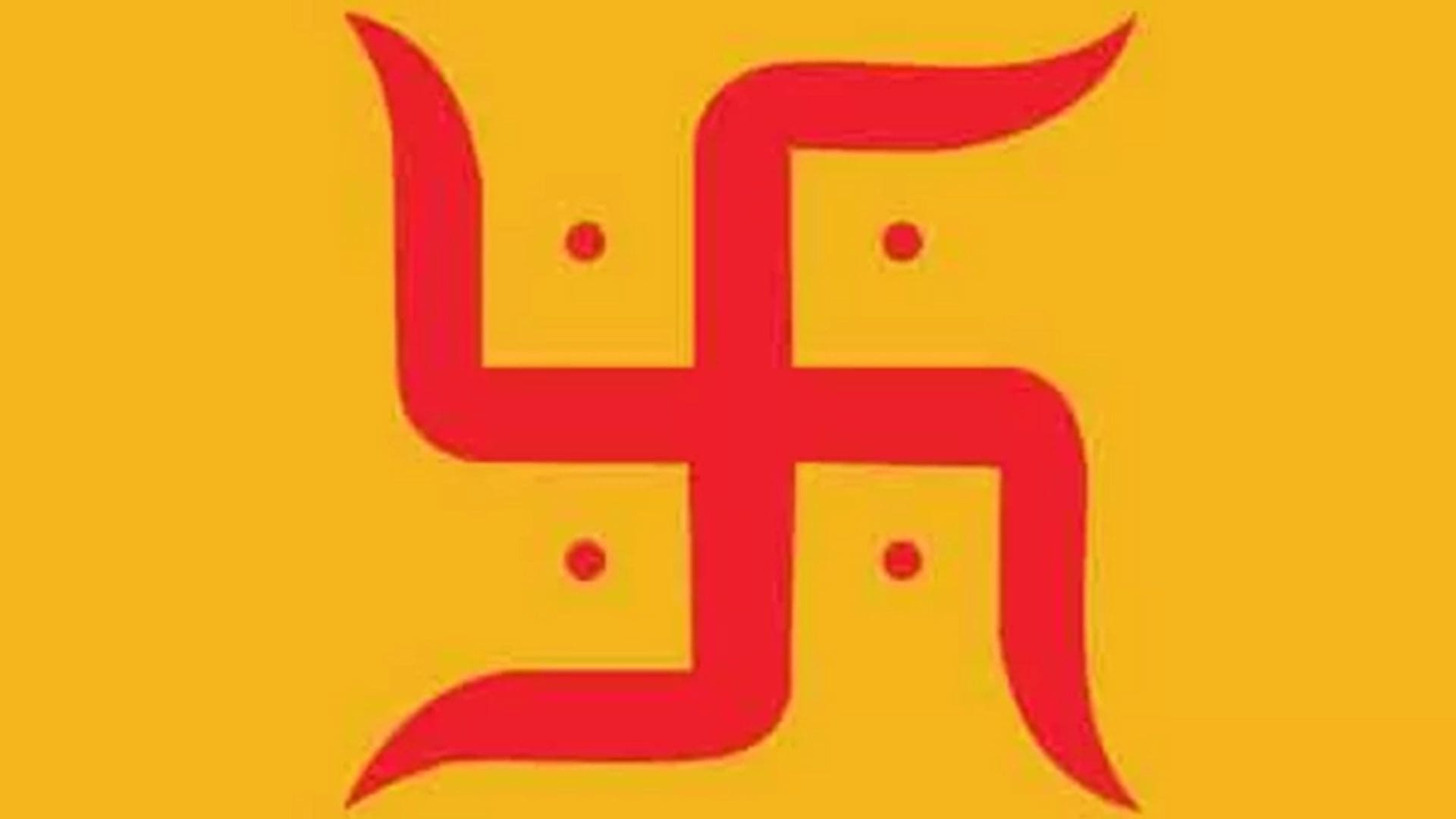
The Swastika: A Symbol of Good Luck, Peace, and Cultural Significance in Hinduism
The swastika is an ancient symbol representing good fortune, well-being, and divine protection, especially in Hinduism. Originating in the Neolithic Period, it embodies the essence of life, cultural heritage, and auspicious energy. In Hindu rites and festivals, it is seen as a symbol of protection, strength, and positivity. Explore the cultural and religious importance of the swastika, its origins, and its misuse during the Nazi era.
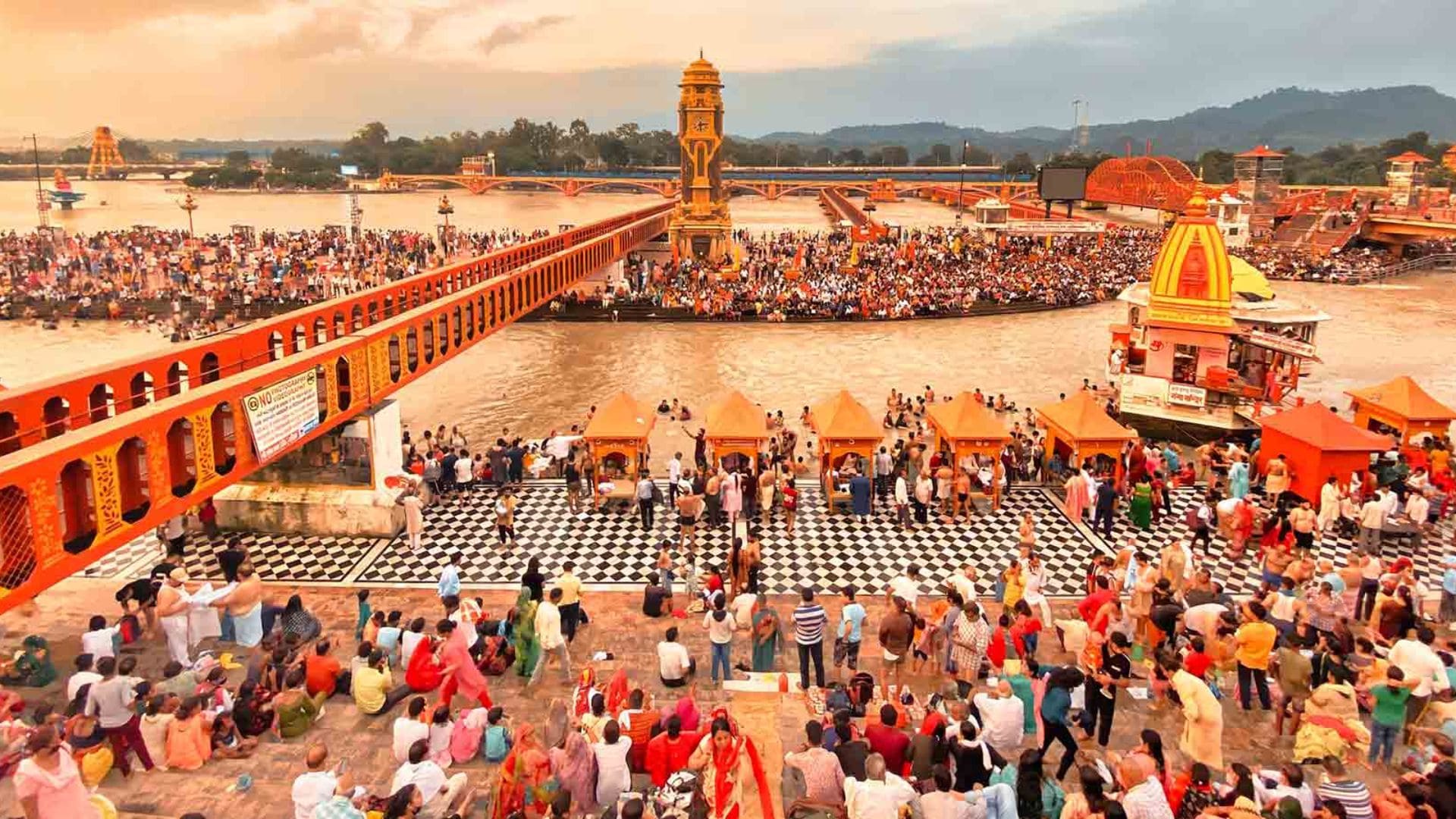
Top Attractions at Kumbh Mela 2025: Spiritual, Cultural, and Historical Highlights
Discover the top attractions at Kumbh Mela 2025, from the sacred Triveni Sangam and interactions with sadhus to cultural performances and historical landmarks in Prayagraj. Explore the spiritual essence of the festival, the mesmerizing evening Aarti, and visit iconic sites like the Akshaya Vat and Patalpuri Temple. Experience the rich traditions and sacred rituals that make Kumbh Mela a once-in-a-lifetime journey.