

Mahakumbh 2025 Prayagraj: World's Largest Spiritual Gathering with Rare Celestial Alignment
Discover the grandeur of Mahakumbh 2025 in Prayagraj, a once-in-144-years spiritual event. Join over 450 million devotees for sacred Shahi Snans, celestial alignments, and spiritual festivities at the Sangam. Explore modern AI-driven facilities, enhanced infrastructure, and timeless tradition
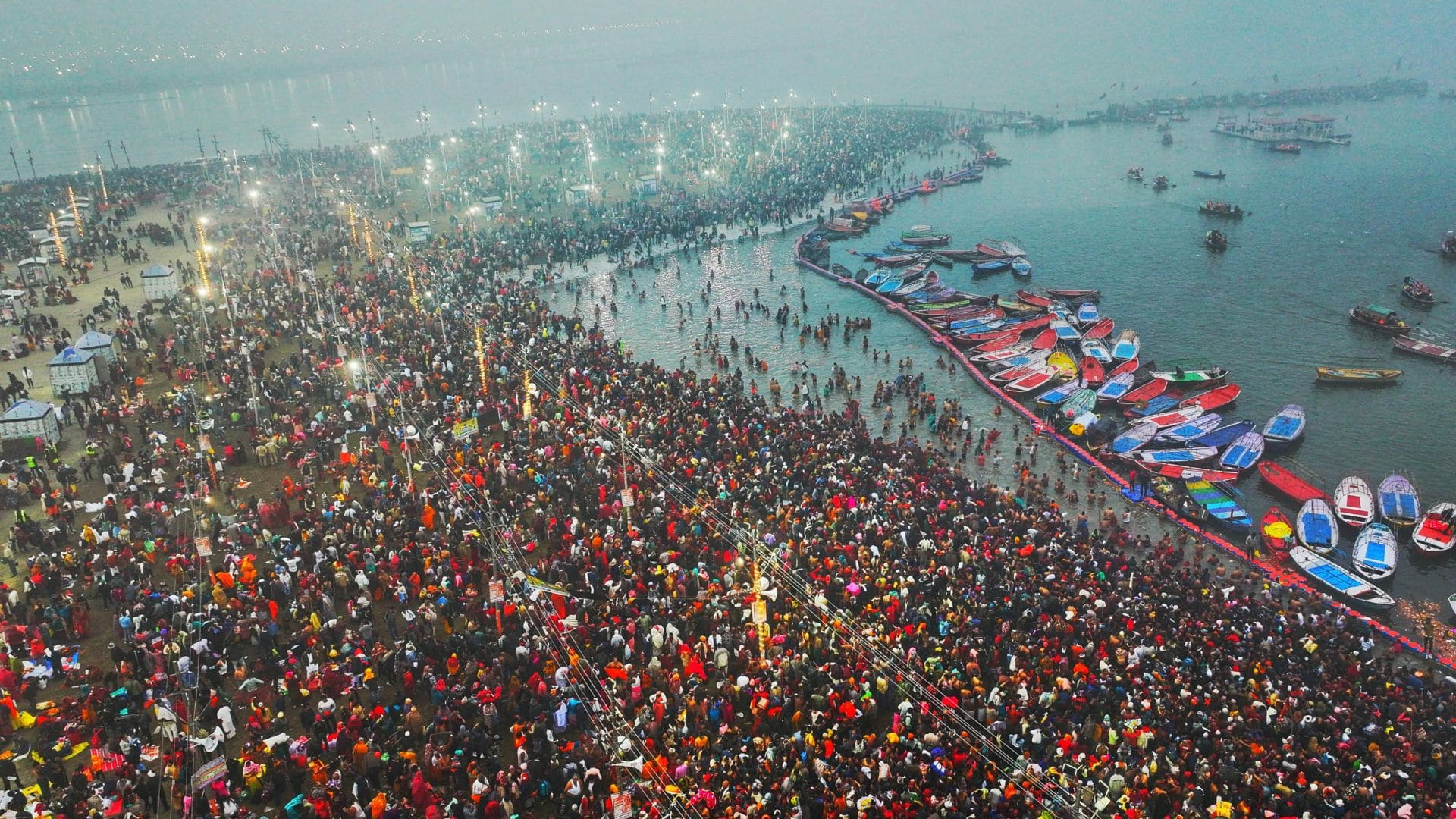
The world's largest religious gathering began in Prayagraj today, January 13. Thousands of devotees arrived in the Uttar Pradesh city for ‘Shahi Snan’ on the occasion of Paush Purnima at the Sangam.
This year's Mahakumbh, the world's largest spiritual gathering, is even more significant due to a rare celestial alignment called “Paush Purnima,” which occurs only once every 144 years.
Maha Kumbh Mela DIG Vaibhav Krishna said, “Approximately 50 lakh people have taken a holy dip by 10 o clock. Official figures will be released soon. All arrangements are in place, and crowd management is proceeding smoothly. Adequate parking facilities are available for vehicles. Both Central and State police forces are deployed, and we are fully prepared to handle any situation.”
Sangam is the confluence of the Ganga, Yamuna, and mystical Saraswati rivers. More than 45 crore devotees are set to join Mahakumbh Mela and make it one of the world's largest such gatherings in history. As of 7:30 am today, around 3.5 million people participated in the holy dip at Triveni Sangam, according to the Uttar Pradesh Government.
Various Akharas have arrived in Prayagraj, Uttar Pradesh, in preparation for the grand event. Several prominent Akharas, including Atal Akhara, Mahanirvani Akhara, Niranjani Akhara, Ahwan Akhara, and Juna Akhara—the largest Akhara in the Sanyasi tradition—have set up their camps at the site.
Why is Mahakumbh 2025 is so special?
Kumbh Mela occurs every three years in four different locations. However, Mahakumbh is organised only in Prayagraj after every twelve years. Additionally, Mahakumbh 2025 is more special not only because of its religious significance but also because of the rare celestial alignment that occurs only once every 144 years.
Key Shahi Snan Mahakumbh 2025 dates:
January 13 - Paush Purnima Snan today (Opening Day)
January 15 - Makar Sankranti Snan
January 29 - Mauni Amavasya Snan (Royal Bath/Shahi Snan)
February 3 - Basant Panchami Snan (Royal Bath/Shahi Snan)
February 12 - Maghi Purnima Snan
February 26 - Maha Shivratri Snan (Concluding Day)
The mythological origins of the Kumbh Mela
The Sanskrit word kumbh means pitcher, or pot. The story goes that when Devas (gods) and Asuras (loosely translated as demons) churned the ocean, Dhanvantri emerged carrying a pitcher of amrita, or the elixir of immortality.
To make sure the Asuras don’t get it, Indra’s son, Jayant, ran off with the pot. The Sun, his son Shani, Brihaspati (the planet Jupiter), and the Moon went along to protect him and the pot.
As Jayant ran, the amrita spilt at four spots: Haridwar, Prayagraj, Ujjain, and Nashik-Trimbakeshwar. He ran for 12 days, and as one day of the Devas is equal to one year of humans, Kumbh Mela is celebrated at these locations every 12 years, based on the relative positions of the Sun, the Moon, and Jupiter.
Prayagraj and Haridwar also hold the Ardh-Kumbh (ardh means half), every six years. The festival held after 12 years is called the Poorna Kumbh, or the Maha Kumbh. All four places are located on the banks of rivers — Haridwar has the Ganga, Prayagraj is the sangam or meeting point of Ganga, Yamuna and the mythical Saraswati, Ujjain has the Kshipra, and Nashik-Trimbakeshwar the Godavari.
It is believed that taking a dip in these rivers during Kumbh, amid the specific alignment of the heavenly bodies, washes away one’s sins and accrues punya (spiritual merit).
Kumbh Melas are also the venue where Sadhus and other holy men gather — the sadhu akhadaas attracting a lot of curiosity — and regular people can meet them and learn from them.
How is the site of a Kumbh Mela decided?
This depends on astrological calculations. Another reason for the 12-year gap in Kumbh Melas is explained by the fact that Jupiter takes 12 years to complete on revolution around the Sun.
According to the Kumbh Mela website, when Jupiter is in Aquarius or Kumbh rashi (whose symbol is the water bearer), and Sun and Moon in Aries and Sagittarius respectively, Kumbh is held at Haridwar.
When the Jupiter is in Taurus, and the Sun and Moon are in Capricorn or Makar (thus, Makar Sankranti is also in this period) the Kumbh is held at Prayag.
When Jupiter is in Leo or Simha, and the Sun and Moon in Cancer, the Kumbh is held at Nashik and Trimbakeshwar, which is why they are also called the Simhastha Kumbh.
Sankirtan and bhajans: Devotees sing hymns, chants, and bhajans, filling the atmosphere with spiritual energy and devotion.
Yoga and meditation: Pilgrims participate in yoga and meditation sessions to achieve physical, mental, and spiritual well-being.
Spiritual discourses: Renowned scholars and spiritual leaders deliver sermons and philosophical talks, offering insights into religion, spirituality, and life.
2025 Mahakumbh: Security measures
To ensure the safety of attendees, the Uttar Pradesh police have implemented extensive security protocols throughout Prayagraj. For the first time, 113 underwater drones capable of diving 100 metres have been deployed for continuous monitoring at the Sangam. Additionally, tethered drones reaching up to 120 metres in height provide aerial surveillance, helping to manage crowd density and respond to emergencies.
More than 2,700 AI-enabled cameras with real-time monitoring and facial recognition features are stationed at entry points. A team of 56 cyber experts is actively monitoring online threats, supported by cyber help desks established at every police station in the city.
Uttar Pradesh Director General of Police (DGP) Prashant Kumar said that around 40,000 police officers and cybercrime specialists have established an AI-driven surveillance network to ensure crowd safety and assist with navigation. The Uttar Pradesh Police has set up a comprehensive, multi-layered security framework called the “impenetrable security chakravyuh” to safeguard critical sites, such as temples and akhadas, in Prayagraj.
Mahakumbh 2025: Infrastructure and accommodation
Authorities have arranged 150,000 tents for pilgrims, alongside enhanced sanitation facilities and additional toilets. To meet the energy demands of the festival, 450,000 new electricity connections have been installed — expected to exceed the monthly consumption of 100,000 urban apartments.
The Indian Railways has launched 98 special trains that will make 3,300 trips during the festival. In addition, 92 roads have been renovated, 30 bridges constructed, and 800 multilingual signs installed to assist visitors. Devotees can also access electric buses and modern amenities. Temporary hospitals with surgical and diagnostic facilities have been set up for healthcare needs.
AI support for pilgrims
The "Kumbh Sah'AI'yak" chatbot has been introduced as a digital guide for Mahakumbh 2025. This AI-powered tool offers real-time information and personalised assistance in multiple languages. It provides navigation, cultural insights, and event updates, accessible through the official Mahakumbh app or WhatsApp.
The Mahakumbh is expected to attract over 450 million attendees, including saints and global dignitaries. Among them is Laurene Powell Jobs, wife of late Apple co-founder Steve Jobs, who has adopted the spiritual name "Kamala" given by her guru, Swami Kailashanand Giri Ji Maharaj. She plans to participate in rituals, including a dip in the Ganga.
“It's an incredible opportunity to come because I have heard about it so much... Although I have just arrived and have not explored much, it's very nice, the camps and there are so many activities. I am very excited to meet the 'sadhus' and all the spiritual figures who are doing the best,” said French journalist Milani.
In the sacred tradition of Sanatana Dharma, stories are not merely historical lore — they are living mirrors of consciousness. Contemplate how the virtues portrayed in this narrative can guide your decisions today.
Experience the Tapas Mobile App
Listen to audio recitations, explore Vedic podcasts, and get personalized daily horoscope & pooja remedies.
Similar Sacred Stories

The Mythological Origins of Kumbh Mela: The Story of Samudra Manthan
Discover the fascinating origins of the Kumbh Mela, rooted in the ancient legend of the Samudra Manthan. This epic tale of the churning of the ocean by gods and demons reveals how the nectar of immortality (Amrit) was obtained and how drops of it sanctified the four sacred cities of Prayagraj, Haridwar, Ujjain, and Nashik. Learn why millions of pilgrims gather to bathe in these holy waters during the Kumbh Mela for spiritual blessings and enlightenment.
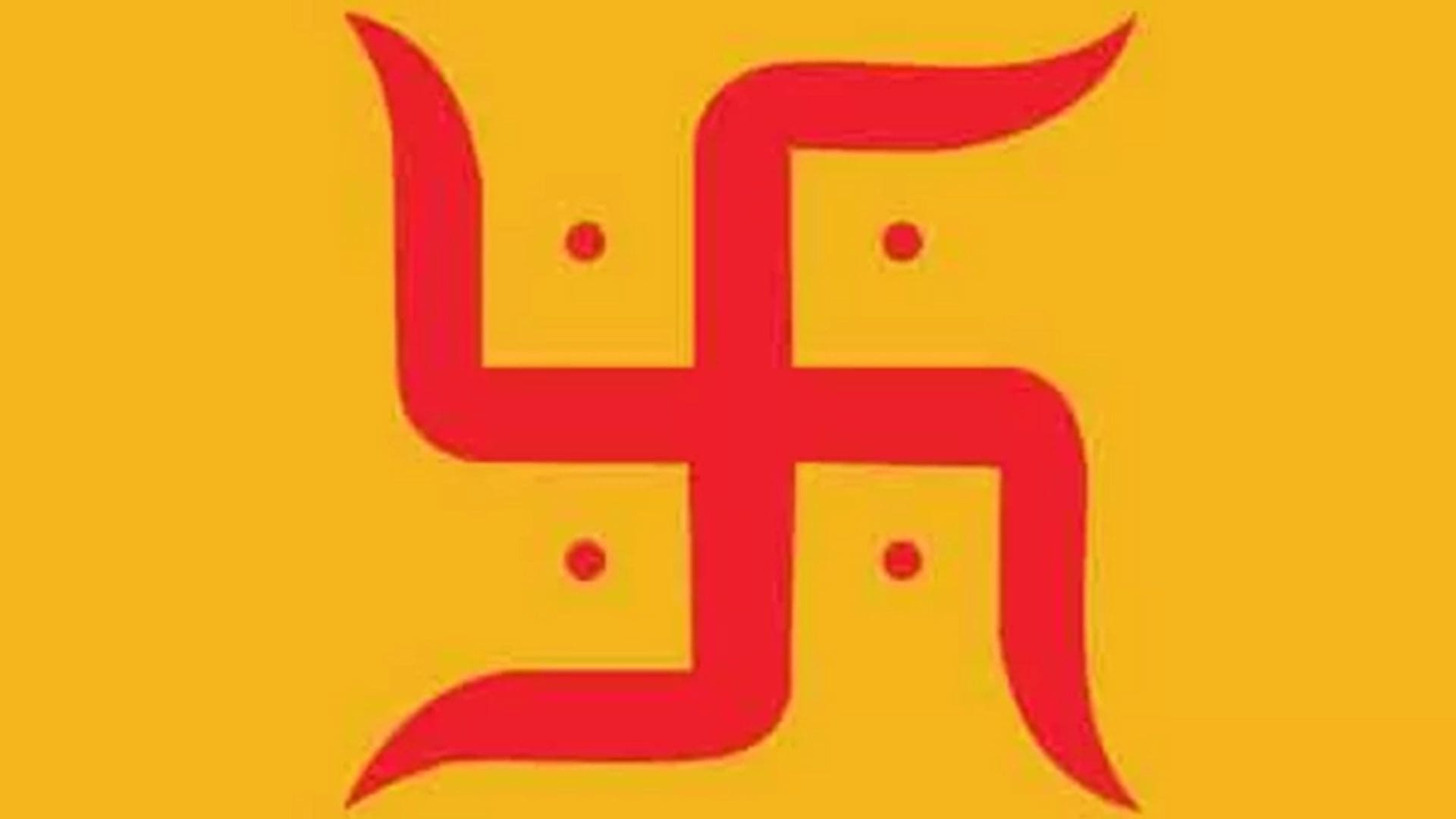
The Swastika: A Symbol of Good Luck, Peace, and Cultural Significance in Hinduism
The swastika is an ancient symbol representing good fortune, well-being, and divine protection, especially in Hinduism. Originating in the Neolithic Period, it embodies the essence of life, cultural heritage, and auspicious energy. In Hindu rites and festivals, it is seen as a symbol of protection, strength, and positivity. Explore the cultural and religious importance of the swastika, its origins, and its misuse during the Nazi era.
Sacred Rituals of Kumbh Mela: The Spiritual Significance of Snan and Shahi Snan
Discover the profound spiritual significance of the sacred snan (bathing) ritual at Kumbh Mela, where devotees gather at the Triveni Sangam—the confluence of the Ganga, Yamuna, and Saraswati—to wash away sins and seek liberation. Learn about the grand Shahi Snan processions led by Naga Sadhus and the revered Kinnar Akhara that highlight the spiritual grandeur of this festival, offering insights into one of the world’s largest religious gatherings.